Anticipatory Action

Humanitarian needs are continuously growing due to compounding factors of conflict, climate shocks, and economic hardship while simultaneously, crises continue to become more intense, cyclical, and protracted in their nature. With funding commitments to scale up aid not being met and needs that keep increasing (a staggering 299.4 million now need aid), humanitarian, climate, and development actors must work together to act early, optimize efforts to save lives and livelihoods, and decrease both needs and costs.

Anticipatory action is defined as acting ahead of a predicted hazardous event to prevent or reduce impacts on lives, livelihoods, and humanitarian needs before they fully unfold. Interventions or actions are designed to reduce the impact of a crisis and are taken before negative coping strategies are deployed. Actions are activated based on pre-defined forecast indicators. Some indicators are already monitored through (locally led) early warning systems, which can provide timely and accurate information about forecasted hazards. Anticipatory actions are taken based on anticipated needs, thereby employing the adoption of a no-regrets approach (e.g., at times, funds will be released without a disaster materializing).

Anticipatory action is being promoted as one of the main solutions to address the ever-increasing humanitarian needs worldwide. 55% of crises are somewhat predictable, and as such, efforts can be made to anticipate impacts and necessary actions. Preliminary evidence shows that anticipatory action helps save lives, leads to more dignified responses, and is more cost-effective. By acting pre-emptively, predictable shocks can be prevented from turning into crises, reducing both the human and financial burden. Anticipatory action is one way of doing this.

Oxfam Pilipinas has activated Anticipatory Actions for various hazards since 2019. To date, we have had 12 activations:

0

for drought in BARMM

0

for tropical cyclones in Eastern Samar

0

due to flood secondary to shearline effects in Eastern Sama

0

for flooding in Cotabato City

0

in anticipation of Typhoon Man-yi (Pepito) in Catanduanes

ACCESS Consortium holds Strong El Niño 2026 briefing

July 11, 2026

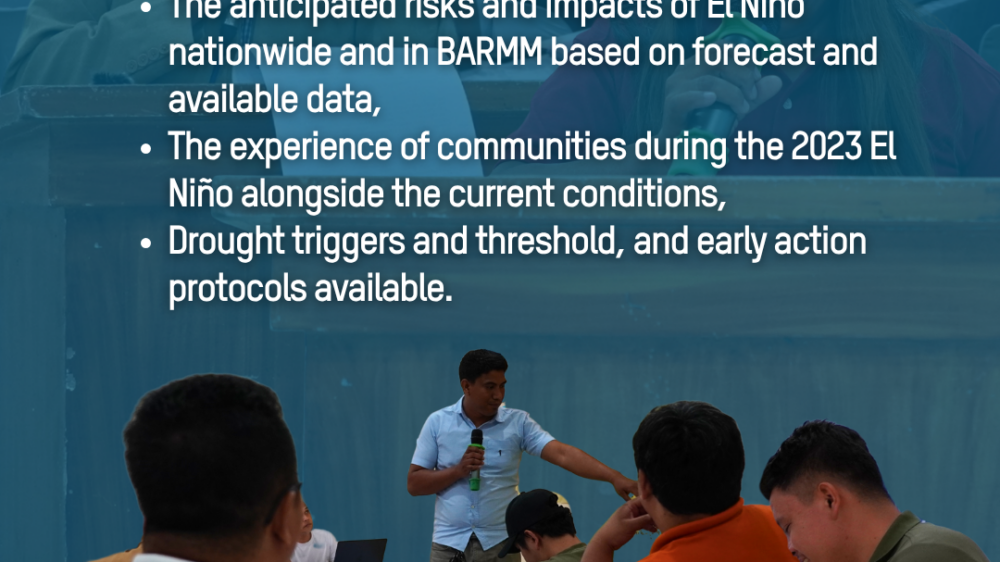
xperts from DOST-PAGASA and Manila Observatory, and Oxfam Pilipinas emphasized that the Philippines, and BARMM specifically, are yet to see the full effects of El Niño. However, there are pathways to prepare during this critical time.

Oxfam Pilipinas joins panel on Nature-based Solutions for Climate Adaptation and Disaster Risk Reduction at USBONG forum

July 10, 2026

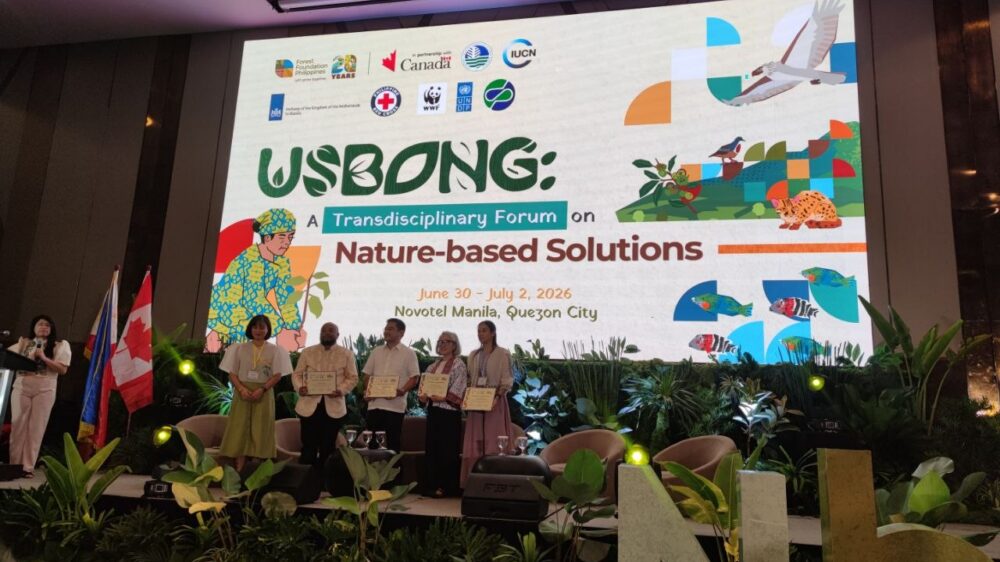
Oxfam Pilipinas Executive Director, Lot Felizco, joined the panel on Nature-based Solutions (NbS) for Climate Adaptation and Disaster Risk Reduction at the USBONG: NbS Forum 2026, organized by Forest Foundation Philippines and partners.  She highlighted Oxfam Pilipinas’ approach to NbS as part of a broader resilience strategy–linking ecosystem protection, disaster risk reduction, gender justice, and accountable local governance. Drawing […]

El Niño technical briefing held in BARMM for early response

July 9, 2026

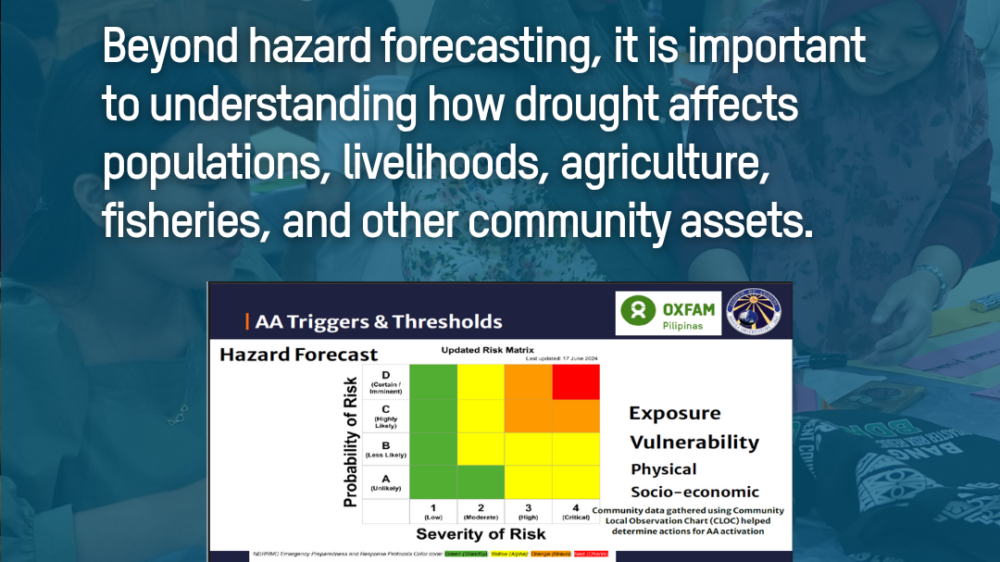
Strengthening the preparedness of LGUs and communities in BARMM, the ACCESS Consortium held “From Warning to Action: Operationalizing El Niño Early Response in BARMM,” a technical briefing for Super El Niño 2026 in Cotabato City. With experts from DOST-PAGASA and Manila Observatory, the activity integrated climate data, forecast and analysis with community observations to map […]

Anticipatory Action Distribution held for Mayon Volcano, El Niño hit Communities

June 12, 2026

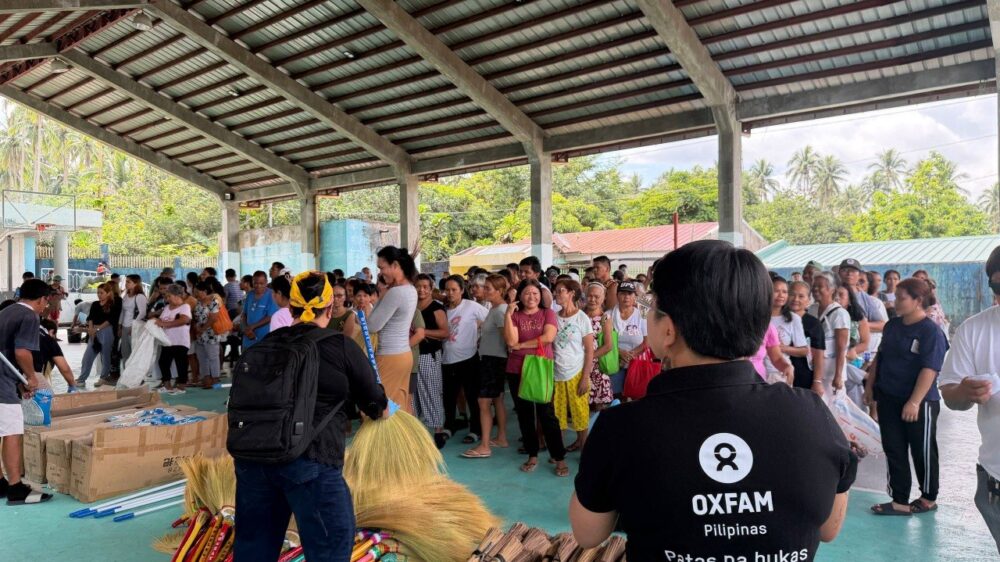
While our teams are responding to communities affected by the #MindanaoEarthquake, we are also taking proactive measures alongside families facing increasing threats from #MayonVolcano and the impending #ElNiño2026. As Mayon Volcano’s unrest reaches its sixth month, families in Albay grapple daily with volcanic ash in their homes, even as prolonged dry conditions impact their health […]

Oxfam Pilipinas, MIDAS pre-position clean water for next 30 days ahead of El Niño peak, ongoing Mayon unrest

June 2, 2026

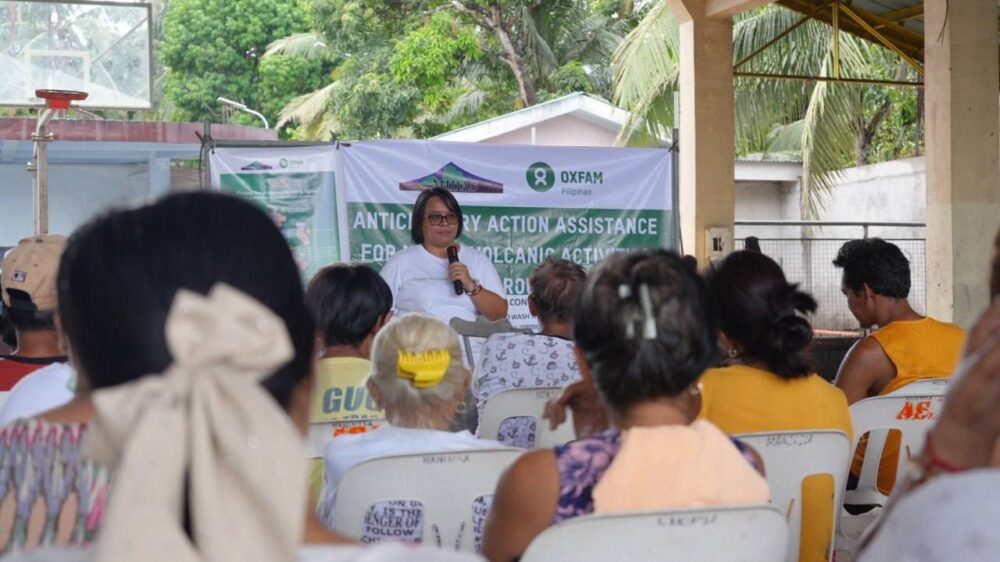
As #ElNiño2026 and #MayonVolcano unrest loom over communities in Albay, ensuring access to clean drinking water in advance of the converging hazards is critical to protecting health and well-being.

Oxfam Pilipinas, MIDAS provide cash assistance to Albay residents affected by Mayon volcano, El Niño

June 1, 2026

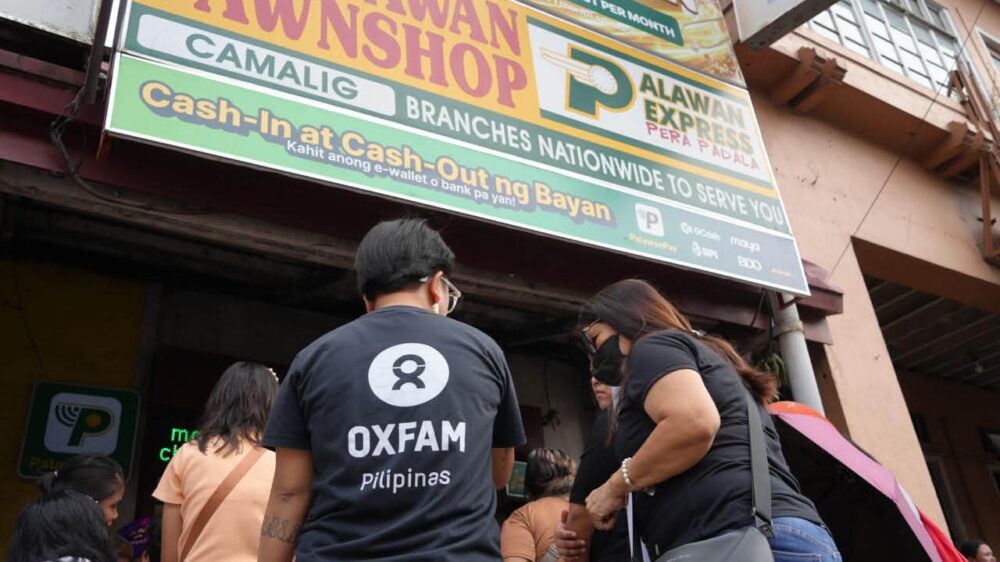
Oxfam Pilipinas and Mayon Integrated Development Alternatives and Services (MIDAS) provided multipurpose cash assistance to 75 vulnerable households from Barangay Sua, Camalig, including elderly individuals, solo parents, and families with members who are persons with disabilities, on 30 May 2026.

Oxfam Pilipinas showcases Anticipatory Action results across typhoons in multisectoral review workshop

April 27, 2026

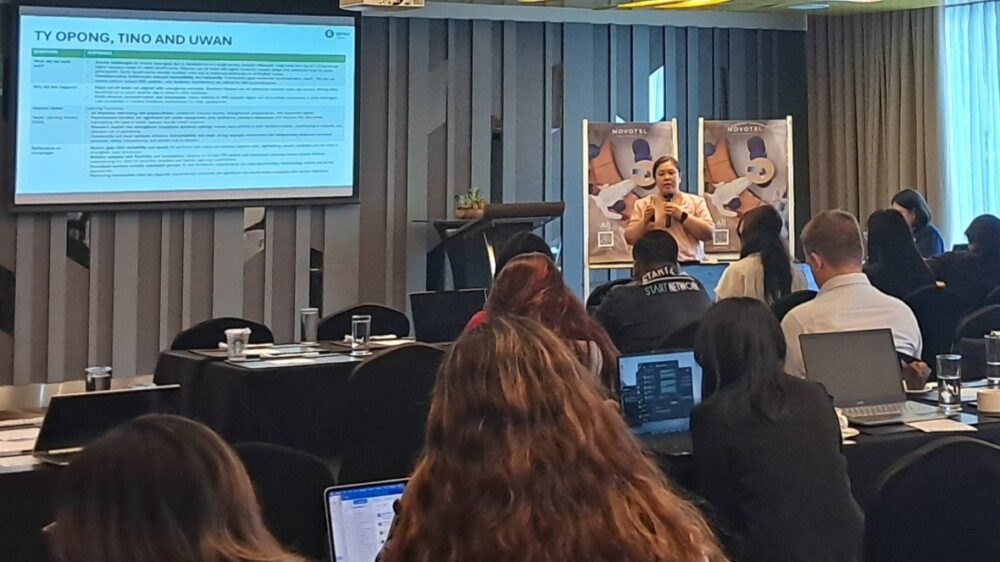
Oxfam Pilipinas shared the results of its 2025 Anticipatory Action activations across three typhoons (Opong, Tino, and Uwan) at an after-action review co-led by the Start Network and the Office of the Civil Defense (OCD).

Oxfam Pilipinas, LCCAD, UP Resilience Institute bare deal to embed anticipatory action in local planning

March 20, 2026

Oxfam Pilipinas, Local Climate Change Adaptation for Development, and the UP Resilience Institute are set to collaborate to integrate anticipatory action into local climate adaptation planning and conduct a parametric insurance study to support disaster risk financing.

Oxfam Pilipinas, Manila Observatory renew partnership for anticipatory action

March 18, 2026

Oxfam Pilipinas Executive Director Lot Felizco and Manila Observatory Executive Director Fr. Jose Ramon T. Villarin, S.J., renewed the Project Partnership Agreement for enhancing the multi-hazard index to determine the thresholds and triggers for launching an anticipatory action.  Anticipatory action refers to proactive measures that reduce the adverse impact of a forecasted disaster. It is […]

EU Peace BRIDGE partners hold Salaysayan

February 27, 2026

The EU Peace BRIDGE partners held SALAYSAYAN: Knowledge Exchange Dialogue on Indigenous Pathways to Peace, gathering the Teduray and Lambangian, Banwaon, Manobo, and Talaandig indigenous cultural communities, on 10-11 February 2026.