Southeast Asia–South Asia Preparatory Meeting convened for #COP31, #SantaMartaConference
Climate Action Network Southeast Asia, Fossil Fuel Treaty Initiative, and Oxfam in Asia convened the first Southeast Asia–South Asia Preparatory Meeting for COP31 and Santa Marta Conference, gathering negotiators and civil society organizations from 12 countries.
Climate Action Network Southeast Asia, Fossil Fuel Treaty Initiative, and Oxfam in Asia convened the first Southeast Asia–South Asia Preparatory Meeting for #COP31 and #SantaMartaConference, gathering negotiators and civil society organizations from 12 countries on 25-27 March 2026.
At a time of growing geopolitical turmoil, the Southeast Asia-South Asia civil society actors launched the Kuala Lumpur Declaration calling on governments to address the urgency of sustainable energy sovereignty, and the need for a just, orderly, and equitable transition to renewable energy, including through a Fossil Fuel Treaty, a global framework for international cooperation. Civil society groups will bring this unified regional voice to major upcoming climate convenings, such as the First International Conference on Transitioning away from Fossil Fuels in Colombia, COP31 in Turkey, and beyond.
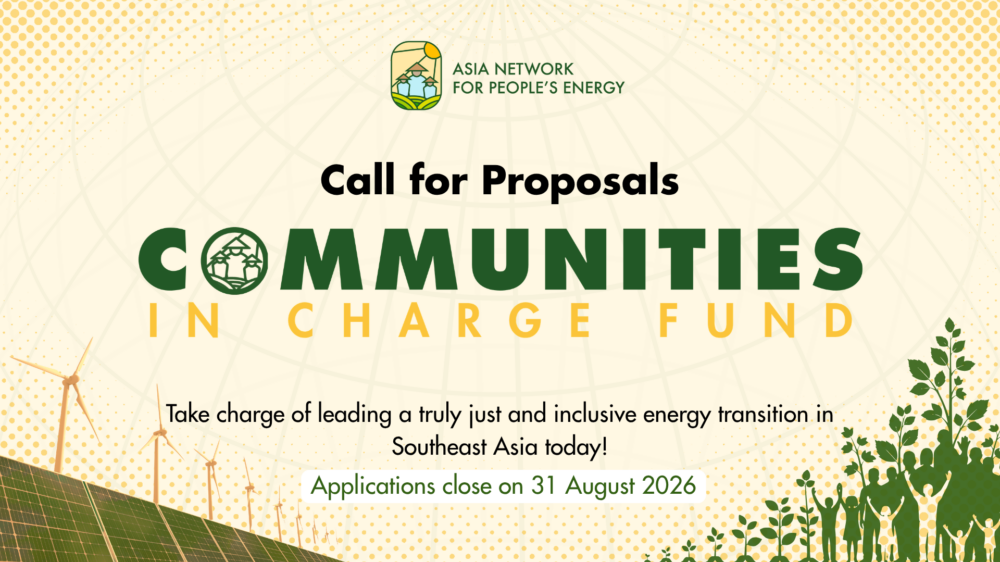
Be one of the grantees to lead the charge in ensuring a truly just and inclusive energy transition spreads across communities and localities in Southeast Asia, and to receive up to US$10,000!
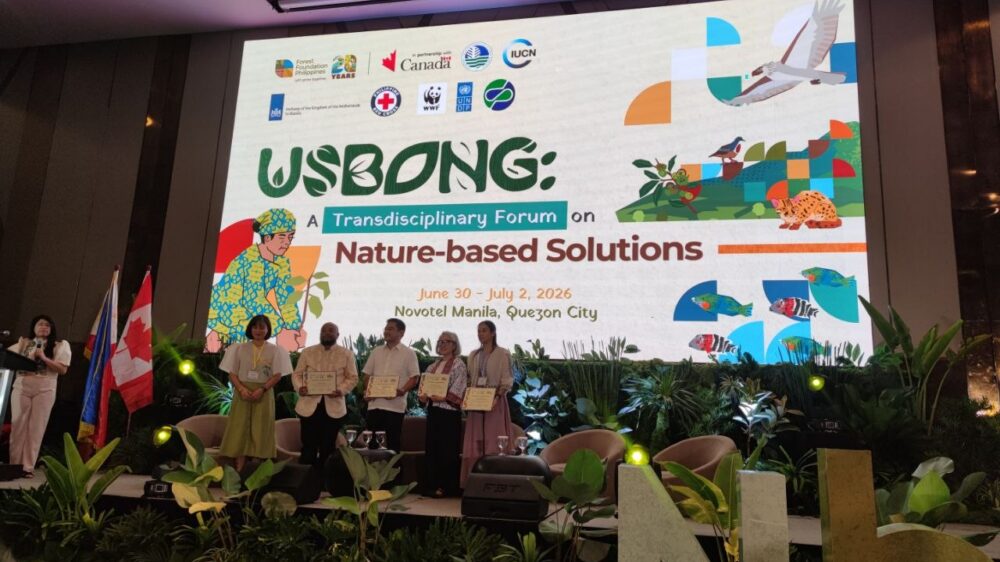
FacebookTweetLinkedIn Oxfam Pilipinas Executive Director, Lot Felizco, joined the panel on Nature-based Solutions (NbS) for Climate Adaptation and Disaster Risk Reduction at the USBONG: NbS Forum 2026, organized by Forest Foundation Philippines and partners. She highlighted Oxfam Pilipinas’ approach to NbS as part of a broader resilience strategy–linking ecosystem protection, disaster risk reduction, gender justice, and accountable local governance. […]
The APAEC is not a symbolic document. It is ASEAN’s central framework for energy cooperation, shaping national policies, investment decisions, and regional collaboration across its 11 member states.
The stakes are, therefore, high.
Manage Cookie Consent
To provide the best experiences, we use technologies like cookies to store and/or access device information. Consenting to these technologies will allow us to process data such as browsing behavior or unique IDs on this site. Not consenting or withdrawing consent, may adversely affect certain features and functions.
Functional
Always active
The technical storage or access is strictly necessary for the legitimate purpose of enabling the use of a specific service explicitly requested by the subscriber or user, or for the sole purpose of carrying out the transmission of a communication over an electronic communications network.
Preferences
The technical storage or access is necessary for the legitimate purpose of storing preferences that are not requested by the subscriber or user.
Statistics
The technical storage or access that is used exclusively for statistical purposes.The technical storage or access that is used exclusively for anonymous statistical purposes. Without a subpoena, voluntary compliance on the part of your Internet Service Provider, or additional records from a third party, information stored or retrieved for this purpose alone cannot usually be used to identify you.
Marketing
The technical storage or access is required to create user profiles to send advertising, or to track the user on a website or across several websites for similar marketing purposes.