Blogs

COVID-19: We need more than a reset button
Blog post by Janice Ian ManlutacMore from Janice Ian Manlutac Our economic model is cracking under the weight of so many wrongs. It has been more than a month since the Philippine government implemented an enhanced community quarantine in the National Capital Region,which is home to 13 million people. Other areas of the Philippines followed with […]

Displacement in Time of COVID-19 and Ramadan
Blog post by Diane LimMore from Diane Lim Barangay Kitango in the Municipality of Datu Saudi Ampatuan, Maguindanao is home to several business and is known as a host for frequently displaced persons from neighboring communities such as Pikig, Malangog, Bagong Upam, Dapiawan, and Elian to name a few. Armed conflict is usually at a halt […]
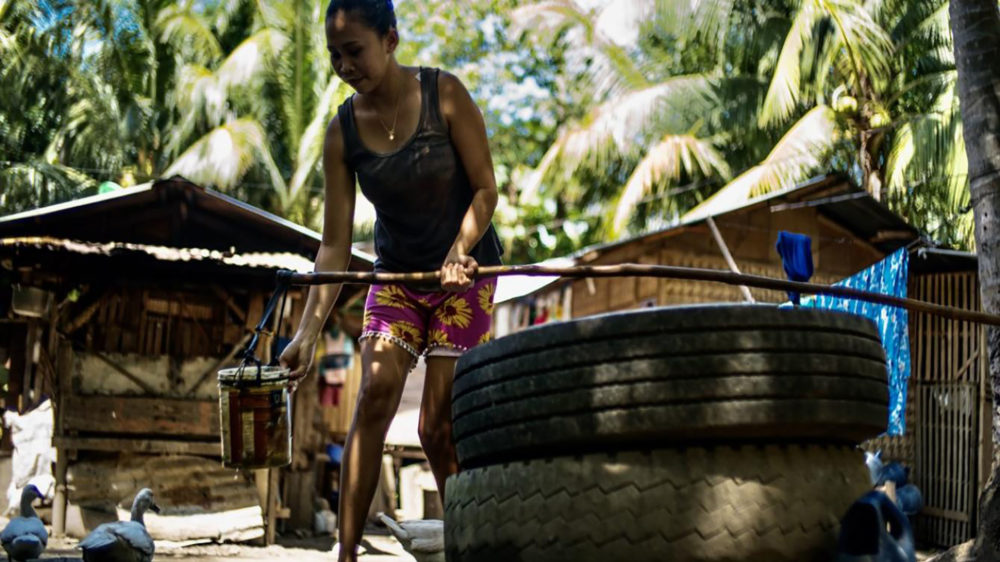
COVID-19 and the Poverty Pandemic
Blog post by Camille AdleMore from Camille Adle Preventing transmission of the COVID-19 disease requires that we consistently exercise proper health and hygiene protocols, both in our homes and in public spaces. Authorities have also advised that we all steer clear of large gatherings, avoid using public transportation, follow “community quarantine” measures, and seek prompt medical […]
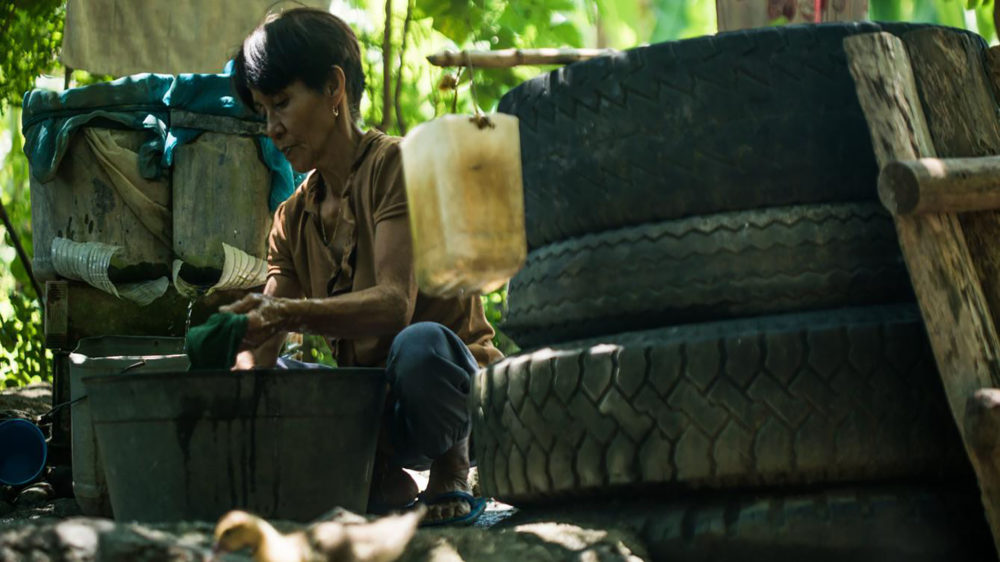
Who is caring for our ‘invisible’ carers?
Blog post by Mark Vincent AranasMore from Mark Vincent Aranas We need pro-poor and pro-women approaches to hurdle this health, poverty, and inequality crisis. The coronavirus pandemic is exposing one of our greatest weaknesses as a society: the widening gap between the rich and the poor. With no end in sight at the moment, the impact […]

Bridge of peace in Mindanao
Blog post by April Ann Abello-Bulanadi Senior Officer for Media and Digital Influencing More from April Ann Abello-Bulanadi With or without emergencies, Noraida Abo seldom stays at the office of the United Youth of the Philippines-Women (UnYPhil-Women), a local women’s rights organization she currently heads in the southern region of the Philippines. She prefers the outdoors where she experiences first hand the complex realities of the Bangsamoro people in Mindanao. The Bangsamoro have been experiencing armed conflict for more than five decades now. Noraida personally witnessed this throughout her 48 years of […]
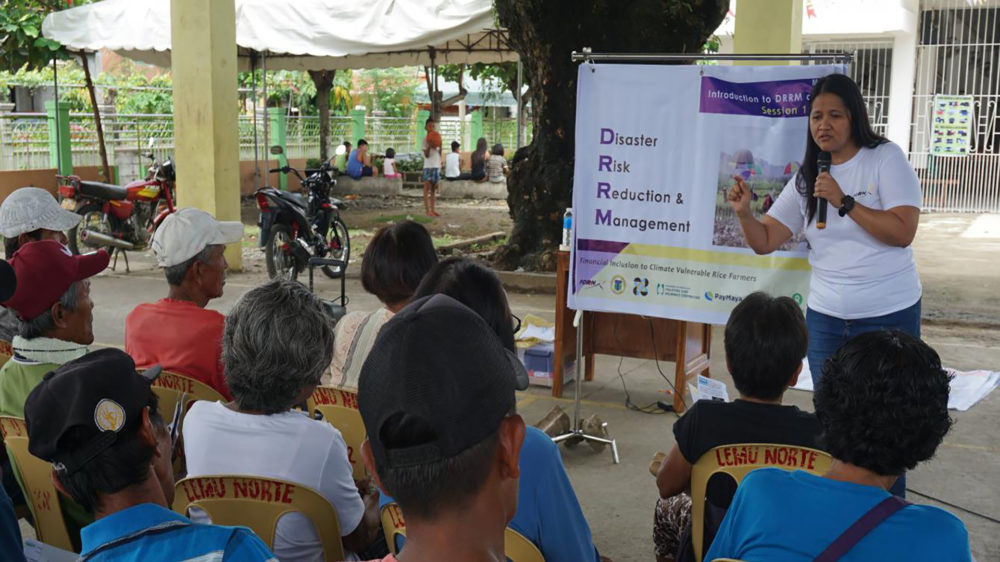
Recognizing Women’s Roles in the Frontlines
In 2003, Oxfam in the Philippines carried out a gender audit among its partners to assess the extent to which gender equality is effectively institutionalized in the policies, structures, decision-making, and budgets. Some time thereafter, when Pampanga Disaster Risk Reduction Network (PDRRN) needed recruit a project assistant, they decided that they would be offering the […]
Planet Earth: Endgame?
Blog post by Luigi Toda Climate Change Adaptation and Risk Reduction Advisor More from Luigi Toda Fresh from Earth Day, here’s food for thought: our celebrations could be numbered because our planet is on the brink of irreversible collapse due to rapid and unregulated human activities. To borrow from the plot of the popular comic book […]
Embracing Community Organizing
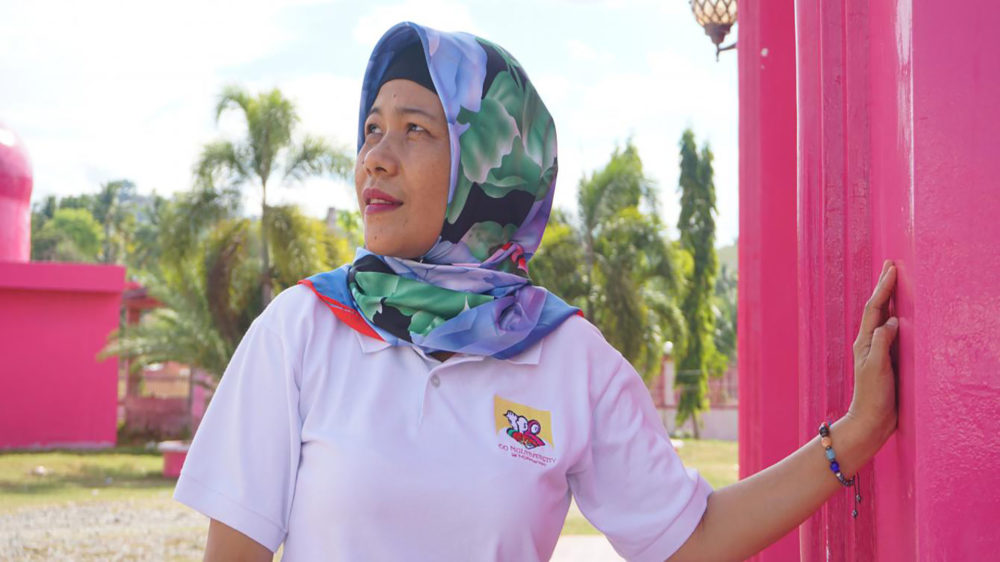
Blog post by April Abello-Bulanadi More from April Abello-Bulanadi Mobilizing communities to claim their rights in a humanitarian crisis is not easy. It becomes even more difficult in the context of armed conflict. But nothing is going to stop humanitarian workers like Elizabeth Gallardo from getting work done. From the very start, Elizabeth knew her heart is made for humanitarian work. This is why she pursued a degree in social work despite her father’s disapproval. He wanted […]
Yolanda on my mind: the odyssey of a humanitarian worker
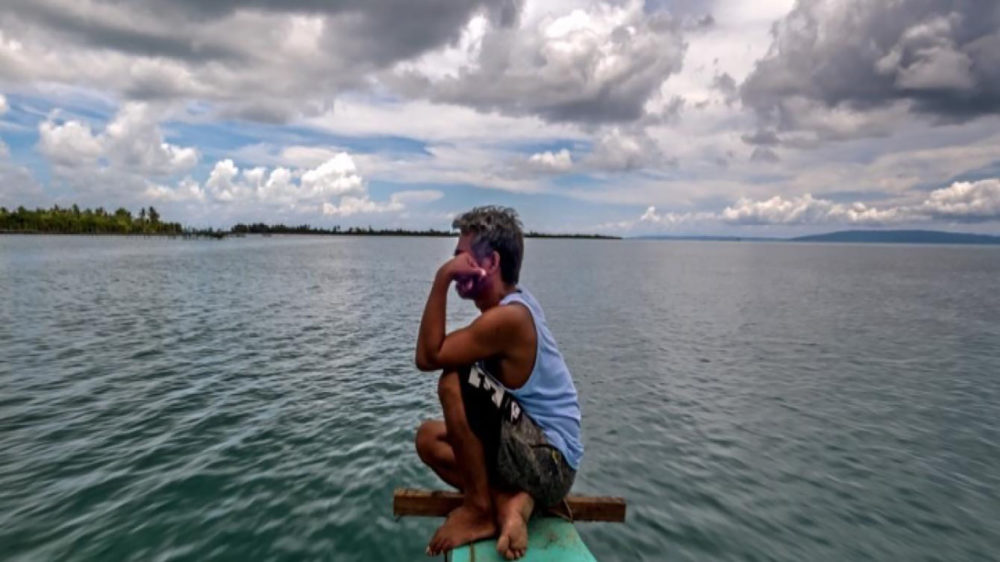
Blog post by Dante DalabajanMore from Dante Dalabajan Humanitarian workers are regularly confronted by difficult choices. What humanitarian worker worth his or her salt has not been confronted by the possibility of either doing harm or doing nothing; or was stuck in a situation where good intentions are not enough in the face of bad or […]
Breaking the Cycle Together
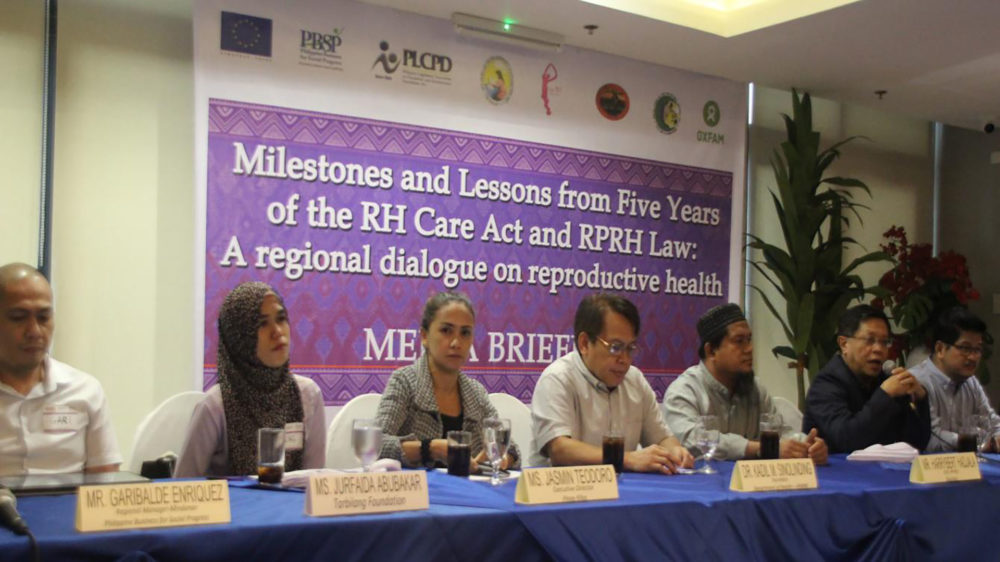
Blog post by Catherine GordoMore from Catherine Gordo When relief goods are used as dowry for young Maranao girls and when their decisions are largely influenced by their desire to feed their families – rights, poverty, and cultural practices intersect. After writing that opening statement, I asked my 13-year-old daughter to read it out loud and see if I’m making […]