inequality
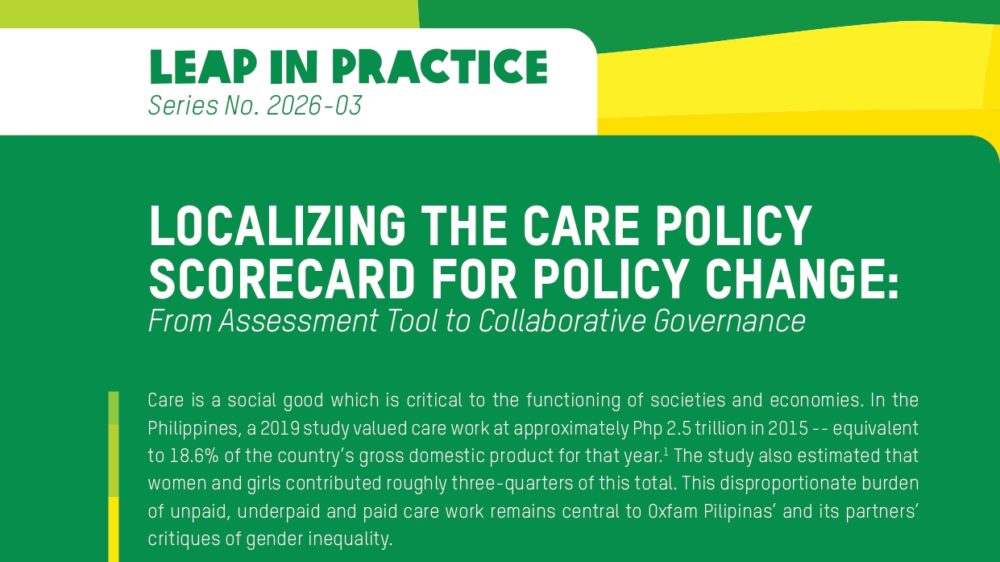
Localizing the Care Policy Scorecard for Policy Change
This learning brief examines how Oxfam Pilipinas and its partners address these policy gaps by transforming the care policy scorecard (CPSC). Originally a comprehensive policy assessment tool, it has been repurposed into a participatory social accountability process. This shift enables civil society groups and local governments to jointly diagnose legislative shortfalls, identify key intervention priorities and strengthen long-term accountability for care work.
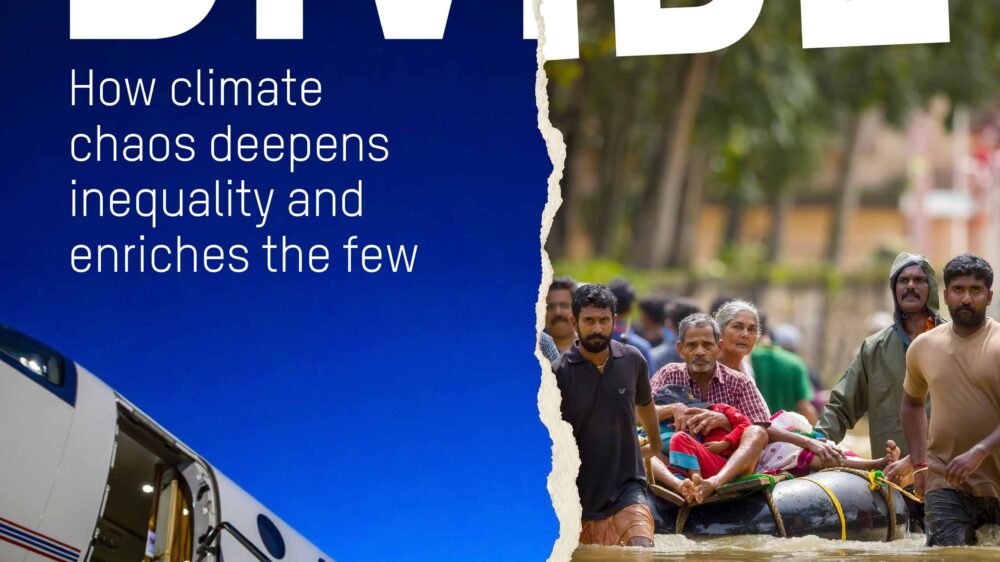
Disaster Divide: How Climate Chaos Deepens Inequality and Enriches the Few
The richest 0.1% (8 million people) globally emit more than the world’s poorest 44% (3.5 billion people) combined. They emit more than three times as much as the entire population of sub-Saharan Africa (1.3 billion people). The carbon pollution of the richest 1% is directly contributing to increased climate disasters such as floods, fires, droughts and food crises. Their yearly emissions will cause an estimated 1.9 million excess deaths from heat.

An Amon Lamrag: Mga Istorya Han Pagbabag-o Ha Hilabaan Ngan Tikling
This participatory storybook grew out of a five-month journey with the members of the Hilabaan Women’s Association and the Linao Women Fish Vendor’s Association from Eastern Samar. Together with researchers from the College of Development Communication (CDC) of the University of the Philippines Los Baños and Oxfam Pilipinas, they shared their stories, reflected on their experiences, and helped enlighten what has changed in their lives and communities with electricity from renewable energy.
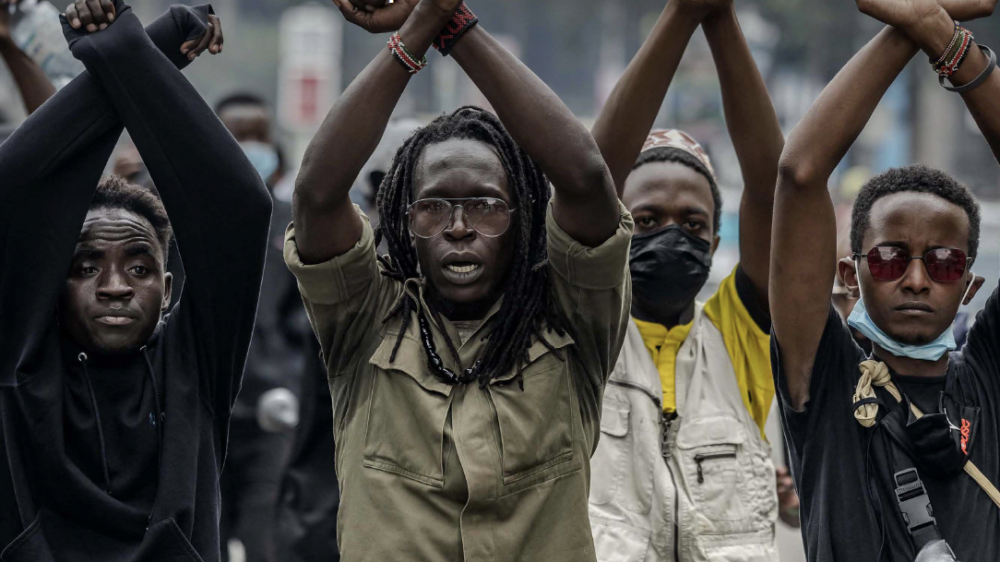
Resisting the Rule of the Rich: Protecting Freedom from Billionaire Power
Billionaire fortunes have grown at a rate three times faster than the previous five years. The number of billionaires has surpassed 3,000 for the first time, and the level of billionaire wealth is now higher than at any time in history. Meanwhile, globally, one in four people face hunger.
Inequality at a Breaking Point: A Call to Embed Equality in the Philippines’ Economic Agenda
This policy paper examines the persistent issue of inequality in the Philippines and underscores the urgency of integrating equality into the country’s economic agenda. The paper critiques the conventional thinking of having economic growth as a primary strategy for reducing inequality.
Climate Plunder: How a powerful few are locking the world into disaster
The report, Climate Plunder: How a powerful few are locking the world into disaster, presents extensive new updated data and analysis which finds that a person from the richest 0.1% produces more carbon pollution in a day than the poorest 50% emit all year. If everyone emitted like the richest 0.1%, the carbon budget would be used up in less than 3 weeks.
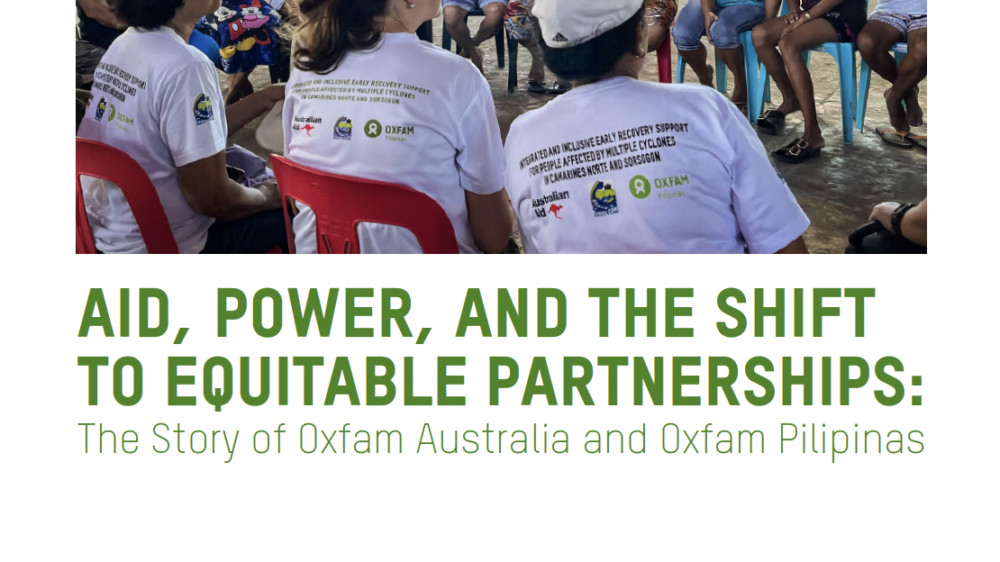
Aid, Power, and the Shift to Equitable Partnerships: The Story of Oxfam Australia and Oxfam Pilipinas
This study explores a potentially pivotal shift within the Oxfam confederation: the successful transition of Oxfam Pilipinas (OPH) toward direct donor funding from Australia’s Department of Foreign Affairs and Trade (DFAT). It captures how OPH built the financial, operational, and governance systems needed to earn donor trust, and how Oxfam Australia redefined its role from […]

Voices from the Compounded Crisis: Oxfam COVID-19 Rapid Gender Assessment Regional Highlights in the Philippines
Global and national strategic plans for COVID-19 preparedness and response must be grounded in strong gender analysis and inclusive representations in decision making and implementation measures to create effective, equitable policies and strong COVID-19 key interventions. While this concept is no longer new, there is also no evidence suggesting the gender responsiveness of the Philippines National […]