Featured | Media Releases | News

A call for love, justice: civil society groups push for people‑centered energy transition in ASEAN

MANILA, Philippines – In time for Valentine’s Day, civil society groups from Southeast Asia called on the Association of Southeast Asian Nations (ASEAN) member states and their energy ministers to “open their hearts to justice by putting people and gender equality at the center of energy governance and planning for a just and inclusive energy transition (JET) in the ASEAN region”.

Over 50 civil society leaders from different networks bared their key policy demands at the 4th Southeast Asia Collaborative Convening of Civil Society Organizations on Just Energy Transition, held on 10–12 February 2026.

The civil society leaders lauded the ASEAN’s commitment to JET and integrating a gender equality, disability, and social inclusion (GEDSI) lens in its ASEAN Plan of Action for Energy Cooperation (APAEC) 2026–2030. However, they emphasized the urgent need for swift, concerted action among communities, civil society, governments, financial institutions, and private sector actors to ensure that JET in the region leaves no one behind.

They asked the energy ministers and leaders of the ASEAN member states to:

  1. Operationalize GEDSI commitments under APAEC 2026–2030 with clear accountability mechanisms.
  2. Strengthen and harmonize monitoring frameworks to operationalize the GEDSI integration across regional and national energy plans.
  3. Adopt a timebound and enforceable planned and managed regional coal phase-out pathway and embed just transition commitments in mining and in coal and energy financing.
  4. Advance a feminist, care-centered, and accessibility-focused JET.
  5. Strengthen regional collaboration and civil society organization (CSO) engagement.
  6. Institutionalize meaningful youth participation in energy governance.
  7. Integrate genuine social accountability mechanisms into ASEAN energy and financing frameworks.
  8. Protect Indigenous Peoples’ and local communities’ rights in all forms of critical minerals investments and ensure the safety of environmental defenders and journalists in critical minerals monitoring and reporting.

Organized by the Asia Network for People’s Energy (ANPE), Fair Finance Asia (FFA), and the Influencing Just Transition in ASEAN (I-JET) Program, the regional convening serves as a platform for Southeast Asian CSOs to share their knowledge, experiences, resources and influence amid the challenges of a shrinking civic space and emerging issues on JET.

“We are all gathered in Manila, representing CSOs and coalitions alike from ASEAN member states because we believe that a just and inclusive energy transition is not only possible, but it is also an urgent imperative,” said Nachatira Thuraichamy, Senior Project Coordinator of I-JET Climate Action Network Southeast Asia.

“We urge the leaders in our countries to act and operationalize the APAEC 2026-2030 with GEDSI focused key action plans. Under the Malaysia Chairship of ASEAN , just and inclusive energy transition was included in the language of APAEC 2026-2030, which is a first and a key milestone. Let us continue that momentum for just and inclusive energy transition now,” she added.

“Timor Leste became a member of ASEAN on 26 October 2025. We came to the 4th Regional Convening to further strengthen the existing network of CSOs and elaborate together a harmonized perspective on energy transition in the ASEAN, ” said Laurentino Alves from Core Group Transparency Timor-Leste (CGT-TL).

The civil society organizations identified concrete actions for the ASEAN member states.

“Banks and investors must shift capital out of coal now and into renewable energy systems that serve people and planet, not profit. The race for critical minerals cannot be financed at the expense of Indigenous Peoples, their lands, or their rights. Financial institutions and regulators across ASEAN must enforce binding safeguards, ensure full transparency, and align investments with Paris-aligned coal phase-out timelines and rights-based mineral supply chains. Anything less is not a just transition but risk transfer,” said Bernadette Victorio, Program Lead at Fair Finance Asia.

“On behalf of the civil society groups, we will submit our policy demands to the Department of Energy for the upcoming 44th ASEAN Ministers of Energy Meeting and ASEAN Summit. We also encourage other ASEAN member states to commit to these policy demands at the national level to ensure communities, sectors, and stakeholders also reap the gains from the energy transition,” said Cheng Pagulayan, Climate Justice Portfolio Manager of Oxfam Pilipinas.
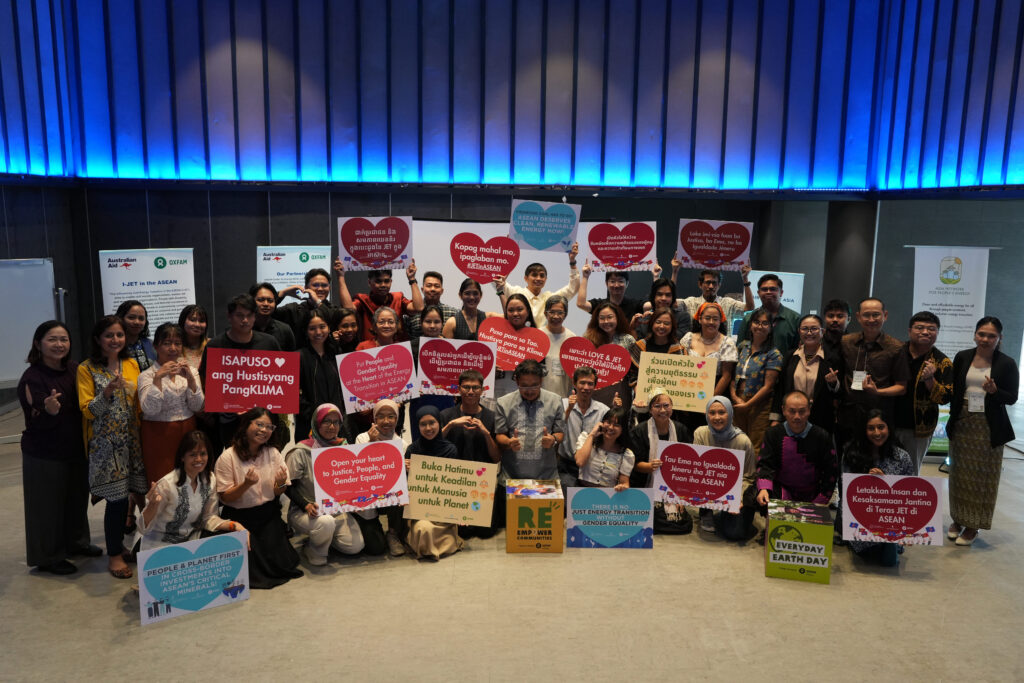
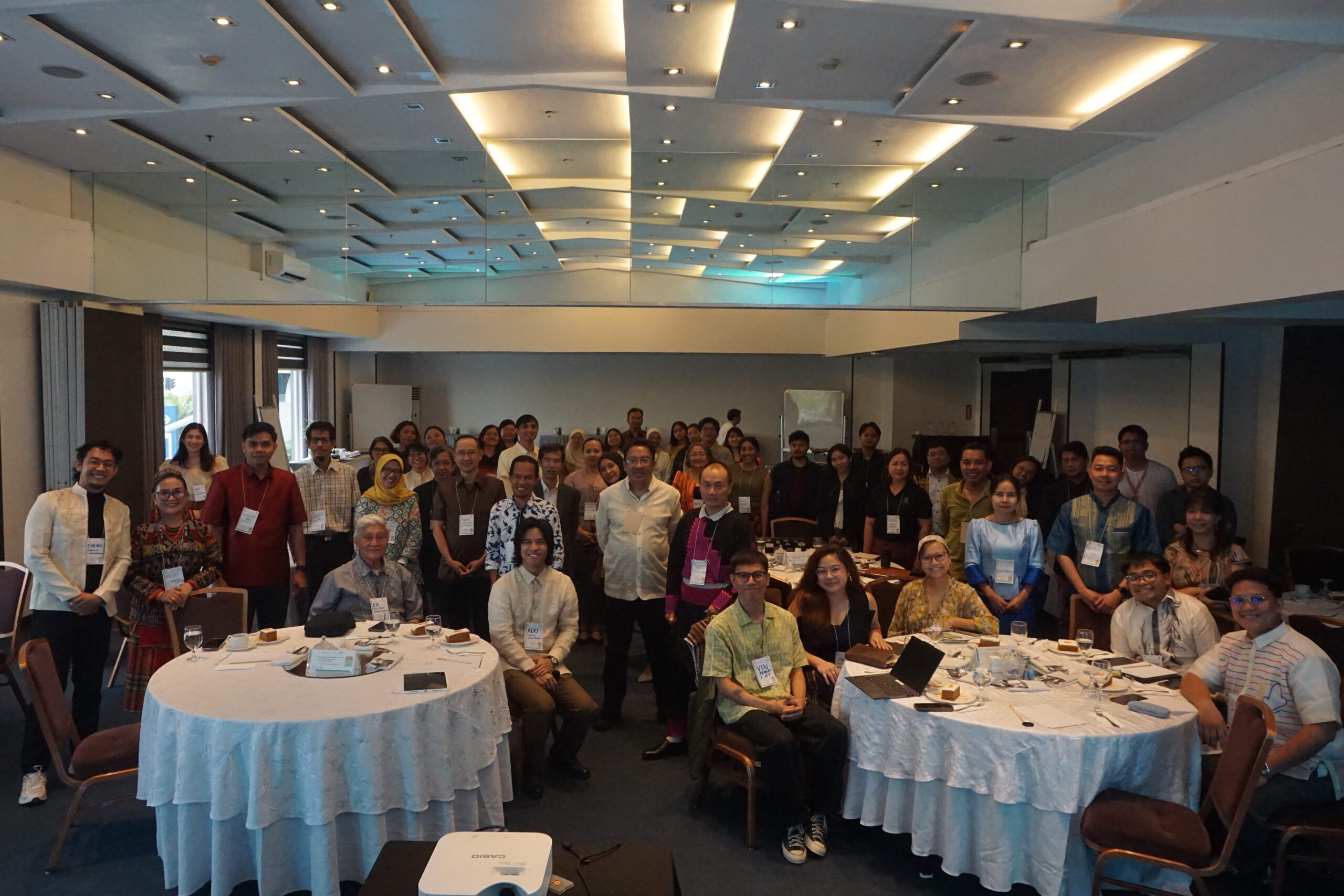
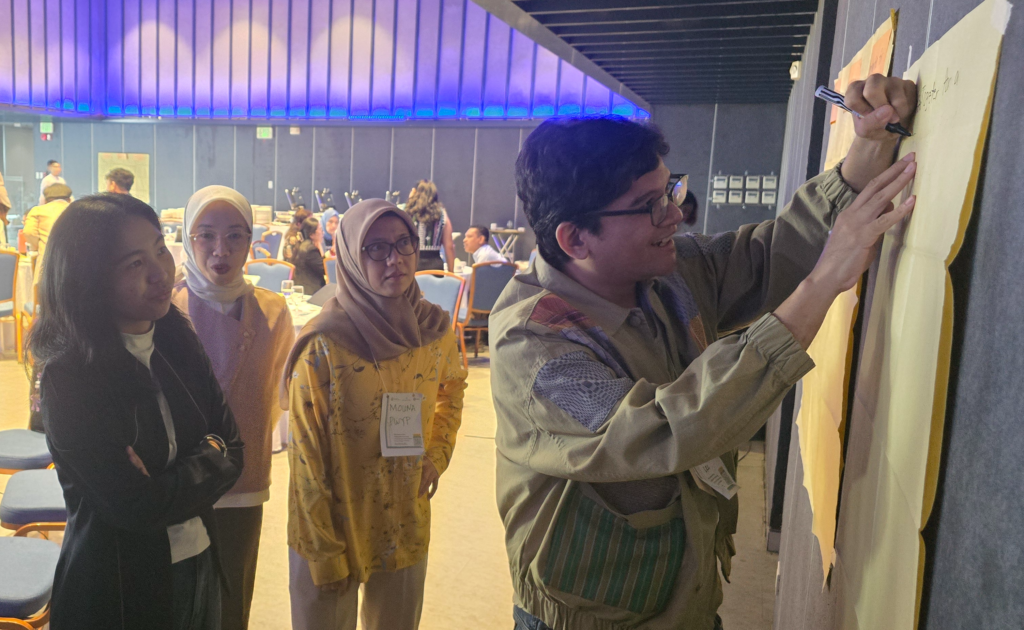
Over 50 civil society leaders from across Southeast Asia gathered and bared their key policy demands for a just energy transition in ASEAN at the 4th Southeast Asia Collaborative Convening of Civil Society Organizations on Just Energy Transition, held on 10-12 February 2026 in Manila, Philippines. The activity was organized by the Asia Network for People’s Energy (ANPE), Fair Finance Asia (FFA), and the Influencing a Just Transition in Asia (IJET) Program. (Photo by Oxfam Pilipinas)

For inquiries, contact:

  • Shubert Ciencia, Economic Justice & ASEAN Influencing Program Manager, Influencing Just Energy Transition in Asia (IJET), sciencia@oxfam.org.uk
  • Kenneth Bernard Hizon, Just Energy Transition Program Lead, Oxfam Pilipinas and Asia Network for People’s Energy (ANPE), kenneth.hizon@oxfam.org.ph
  • Kyle Juliene Cruz, Influencing and Campaigning Manager, Fair Finance Asia, kylejuliene.cruz@oxfam.org

About the Convenors

The Asia Network for People’s Energy (ANPE) is a network that aims to convene civil society organizations (CSOs) from the Southeast Asian Region to address just energy transition (JET) gaps and challenges at the country level with perspective and purposeful actions at the region through network building, learning and campaigning, and resource mobilization. To learn more, about ANPE, reach out to us at info@asianetworkforpeoplesenergy.org.

Oxfam’s Influencing Just Energy Transition (I-JET) in ASEAN project focuses on shifting Southeast Asia’s energy transition policy environment to prioritize human rights and community-led renewable energy solutions. I-JET aims to promote the transition from fossil fuels to sustainable renewable energy by working with ASEAN Member States with high climate vulnerability and low access to affordable electricity.

Fair Finance Asia (FFA) is a regional network of CSOs committed to ensuring that financial institutions’ funding decisions in the region respect the social and environmental well-being of local communities. For more information about FFA, visit: https://fairfinanceasia.org/

Photos from the 4th Regional Convening
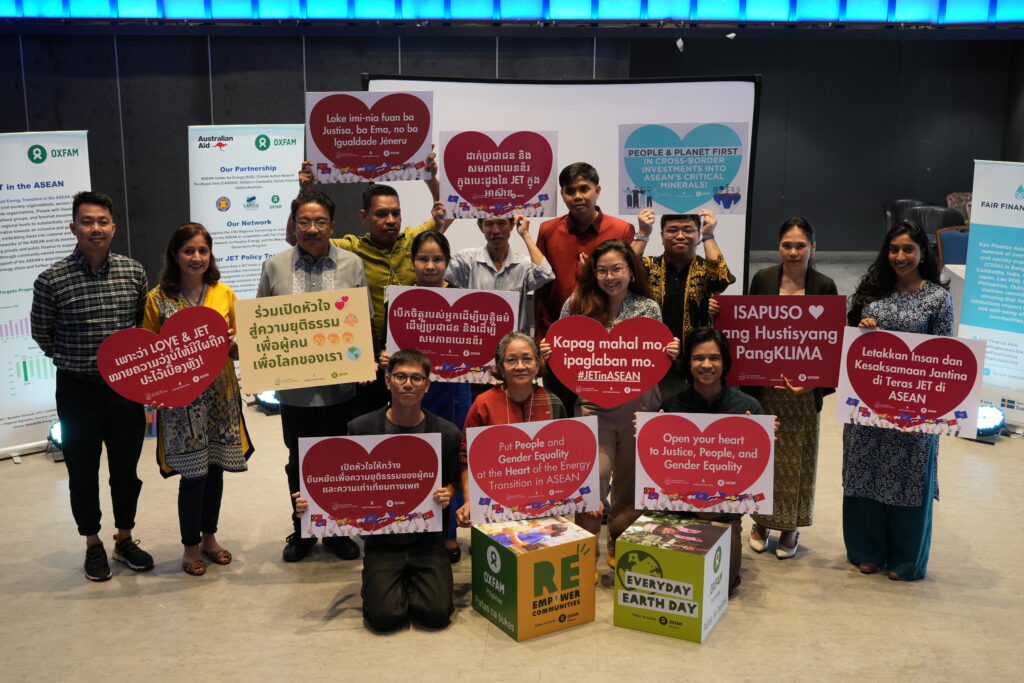
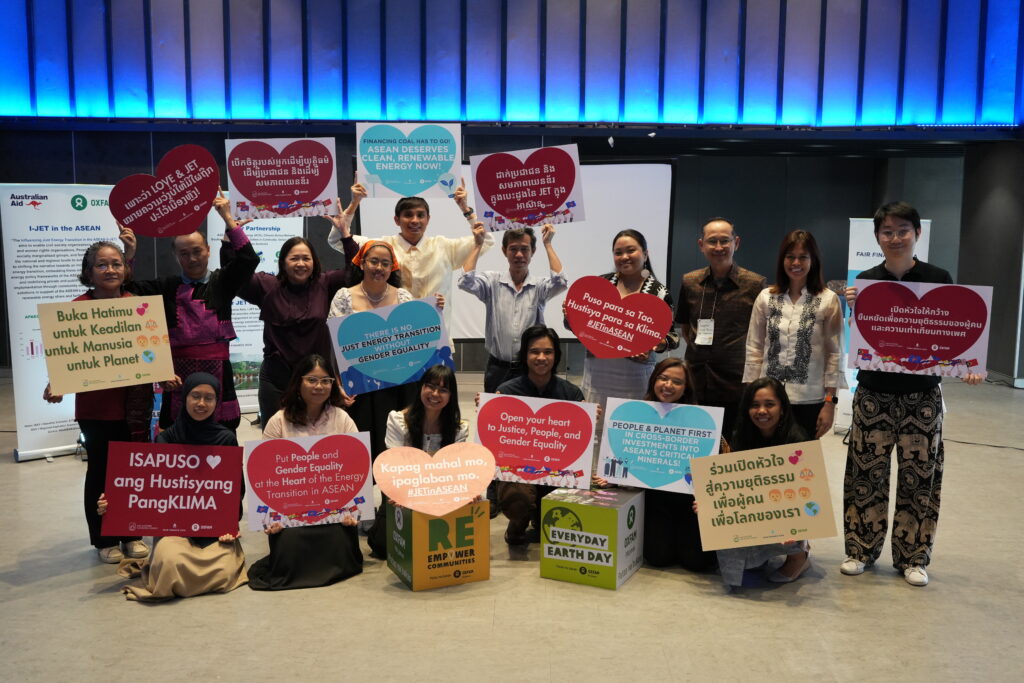
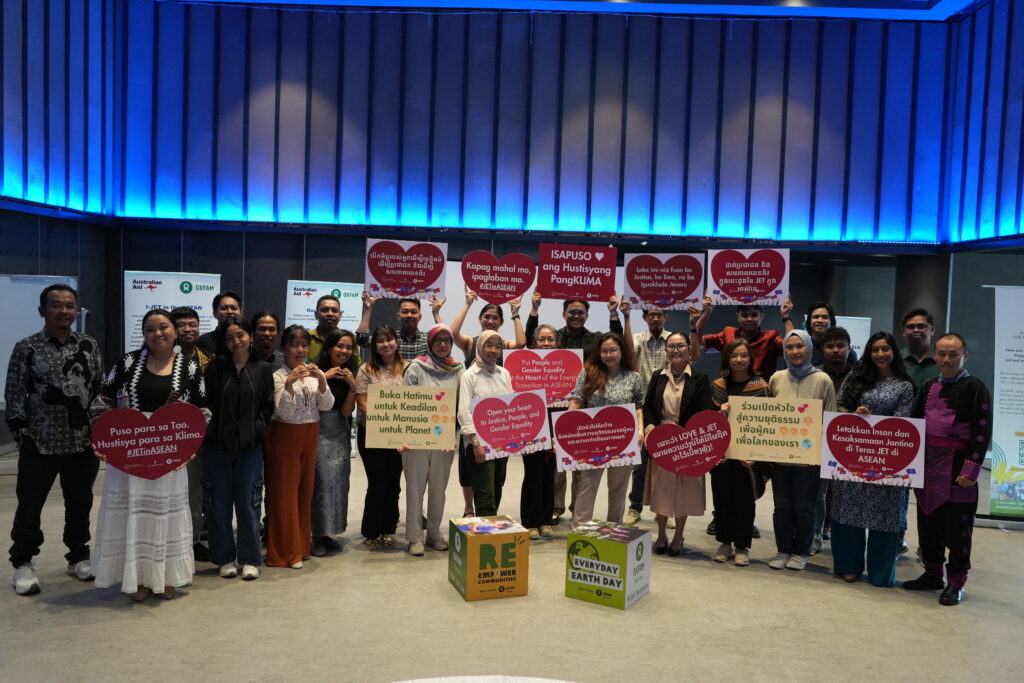
Members and partners of the convening organizers – the Asia Network for People’s Energy (ANPE), Fair Finance Asia (FFA), and the Influencing Just Transition in ASEAN (I-JET) Program – highlighted Valentine’s themed calls for openness to put people and gender equality at the center of a just and inclusive energy transition (JET) in the ASEAN region. (Photo by Oxfam Pilipinas)
Members and partners of one of the convening organizers, the Influencing Just Transition in ASEAN (I-JET) Program, highlighted Valentine’s themed calls for openness to put people and gender equality at the center of a just and inclusive energy transition (JET) in the ASEAN region. (Photo by Oxfam Pilipinas)
Members and partners of the convening organizers – the Asia Network for People’s Energy (ANPE), Fair Finance Asia (FFA), and the Influencing Just Transition in ASEAN (I-JET) Program – highlighted Valentine’s themed calls for openness to put people and gender equality at the center of a just and inclusive energy transition (JET) in the ASEAN region. (Photo by Oxfam Pilipinas)
Members and partners of one of the convening organizers, Fair Finance Asia (FFA), highlighted Valentine’s themed calls for openness to put people and gender equality at the center of a just and inclusive energy transition (JET) in the ASEAN region. (Photo by Oxfam Pilipinas)
Over 50 civil society leaders from across Southeast Asia gathered and bared their key policy demands for a just energy transition in ASEAN at the 4th Southeast Asia Collaborative Convening of Civil Society Organizations on Just Energy Transition, held on 10-12 February 2026 in Manila, Philippines. The activity was organized by the Asia Network for People’s Energy (ANPE), Fair Finance Asia (FFA), and the Influencing a Just Transition in Asia (IJET) Program. (Photo by Oxfam Pilipinas)
Members and partners of one of the convening organizers, the Asia Network for People’s Energy (ANPE), highlighted Valentine’s themed calls for openness to put people and gender equality at the center of a just and inclusive energy transition (JET) in the ASEAN region. (Photo by Oxfam Pilipinas)
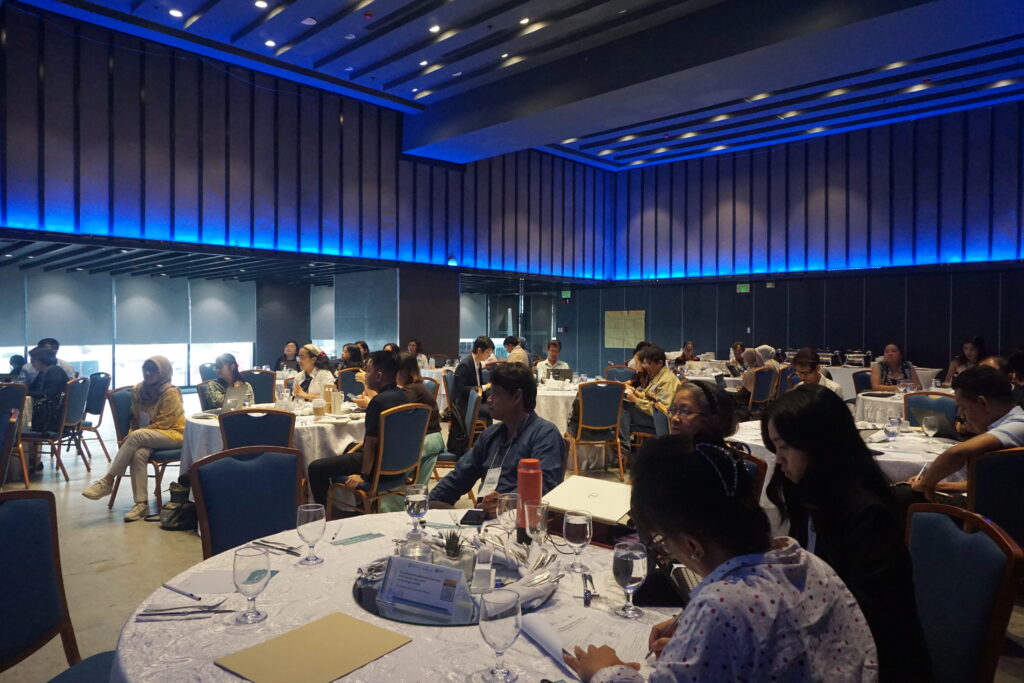
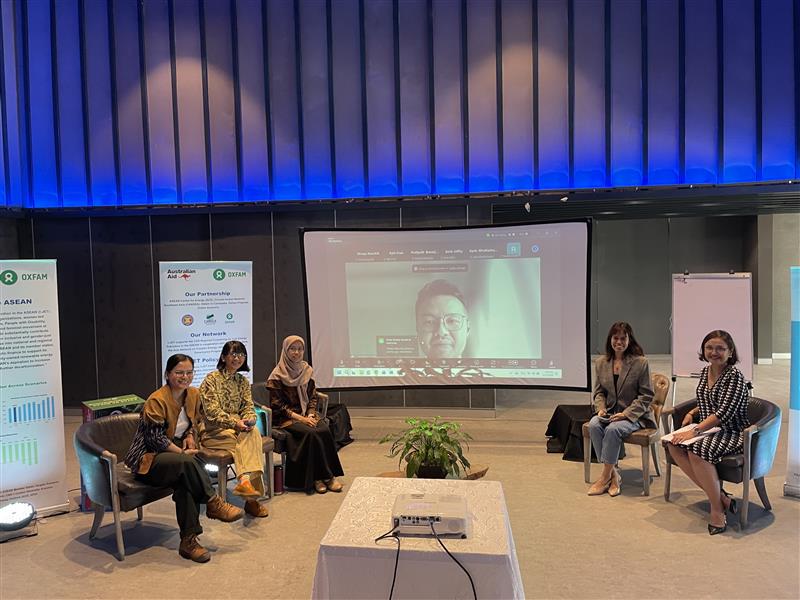
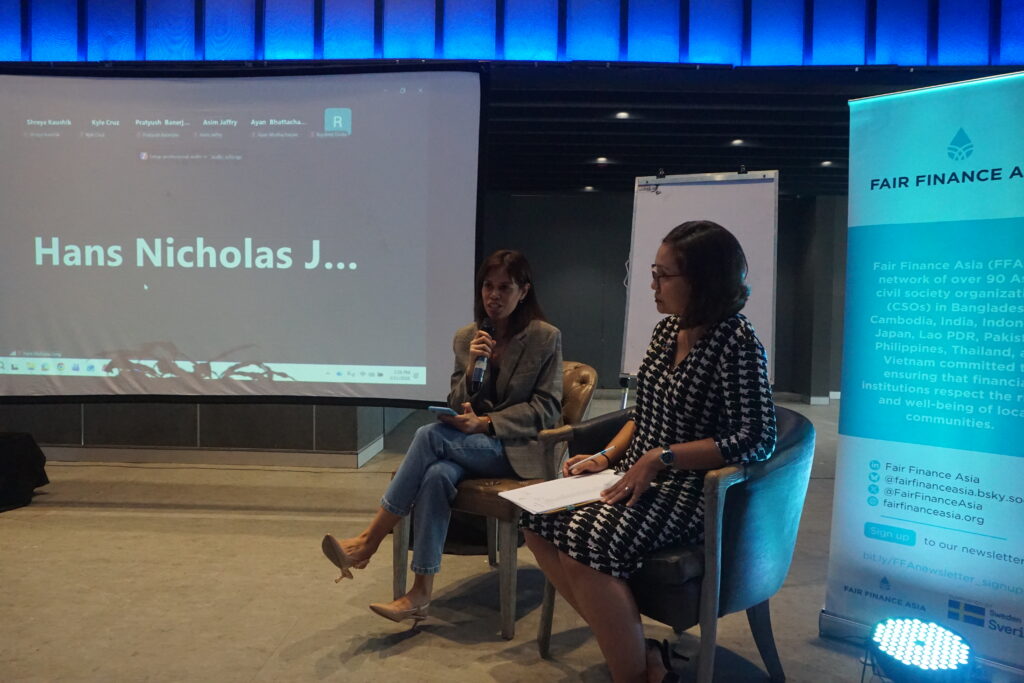
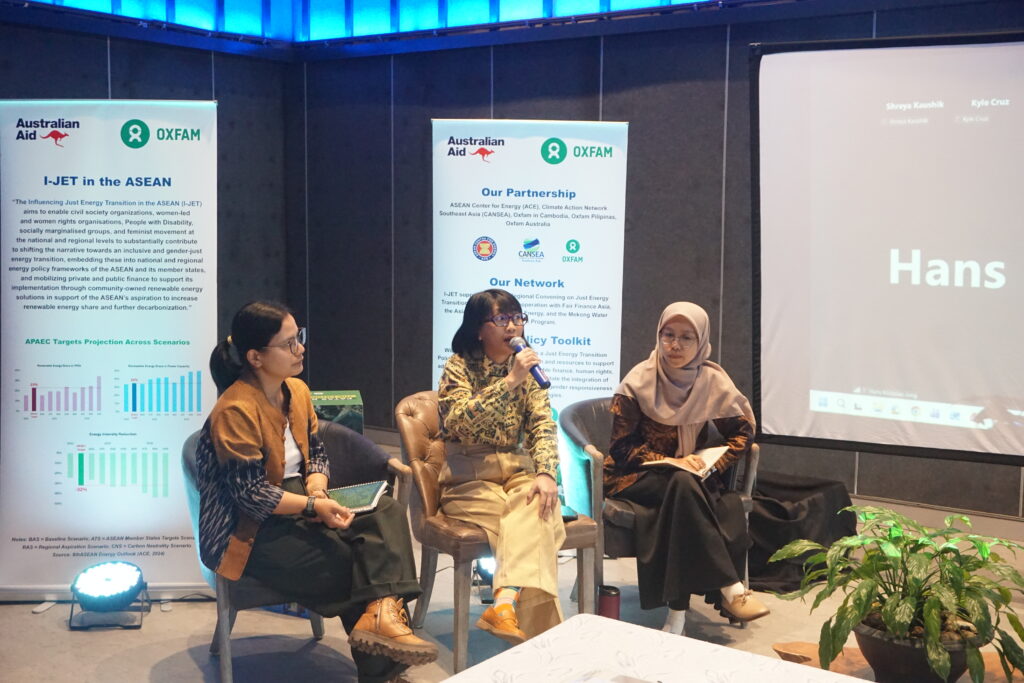
Civil society leaders from across ASEAN gathered to discuss advancing gender-just and inclusive energy transition at the 4th Southeast Asia Collaborative Convening of Civil Society Organizations on Just Energy Transition in Southeast Asia held in Metro Manila, Philippines on 10-12 February 2026. (Photo by Lea Austria/Oxfam Pilipinas)
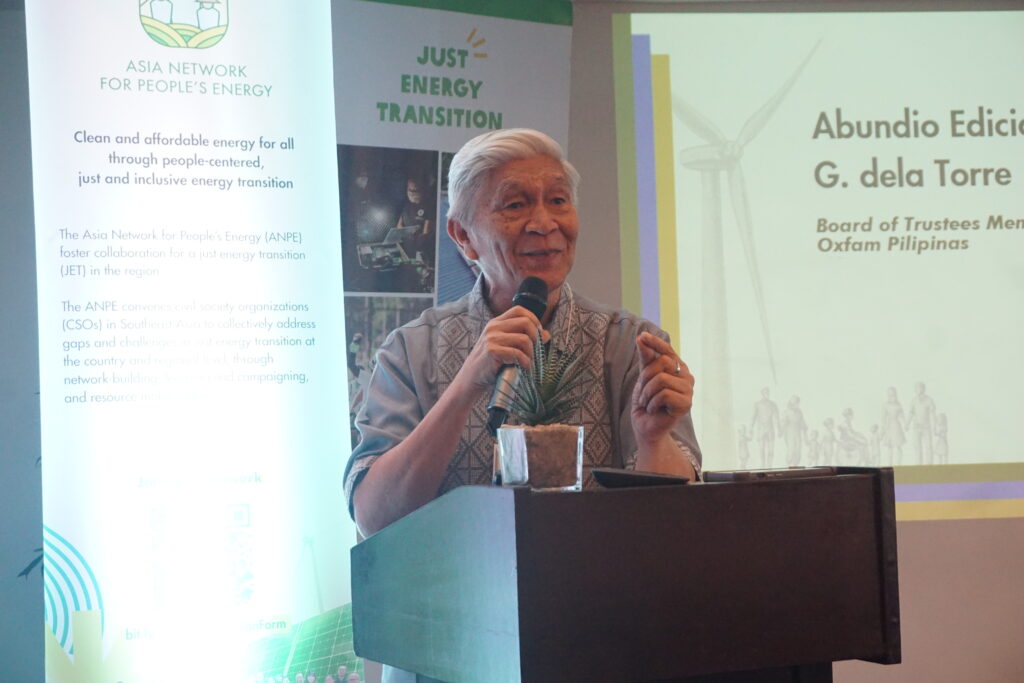
Oxfam Pilipinas Trustee, Ed dela Torre welcomed participants with a message of hope for a just empowering transition in the region at the 4th Southeast Asia Collaborative Convening of Civil Society Organizations on Just Energy Transition in Southeast Asia held in Manila, Philippines on 10-12 February 2026. (Photo by Oxfam Pilipinas)
Oxfam Pilipinas Trustee Ed dela Torre welcomed participants with a message of hope for a just empowering transition in the region at the 4th Southeast Asia Collaborative Convening of Civil Society Organizations on Just Energy Transition in Southeast Asia held in Manila, Philippines on 10-12 February 2026. (Photo by Lea Austria/Oxfam Pilipinas)
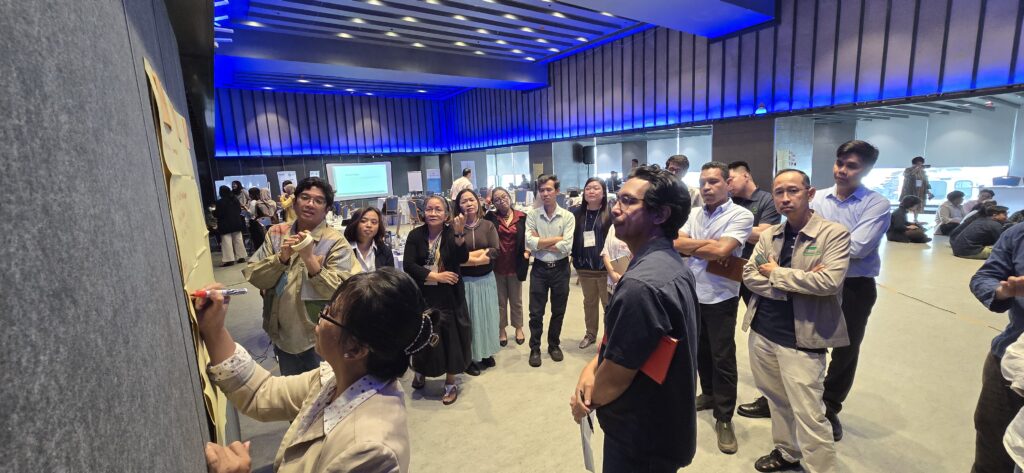
Oxfam Pilipinas led a learning session with Government Watch (G-Watch) on social accountability followed by a workshop for the participants on the 2nd day of the 4th Southeast Asia Collaborative Convening of Civil Society Organizations on Just Energy Transition in Southeast Asia held in Metro Manila, Philippines. (Photo by Lea Austria/Oxfam Pilipinas)
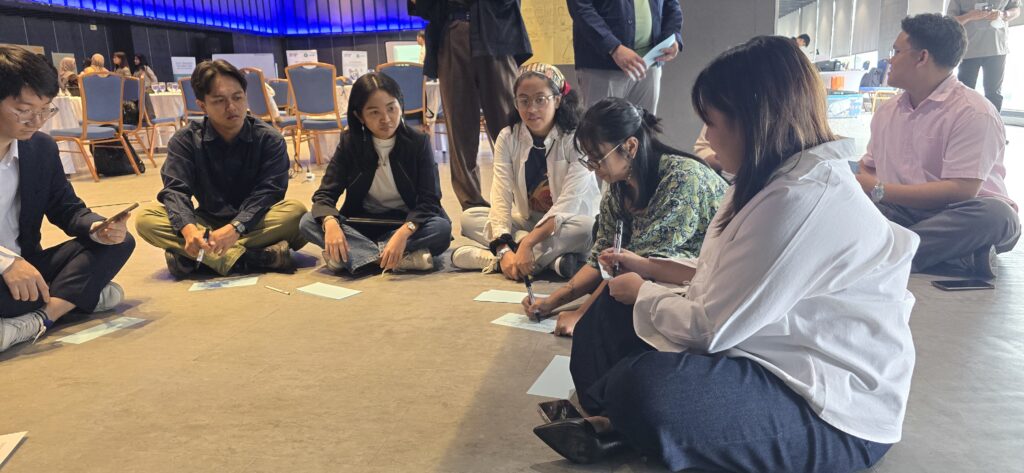
Participants collaborate to design digital campaigns during the workshop led by the Youth Advocates for Climate Action Philippines (YACAP) on the 2nd day of the 4th Southeast Asia Collaborative Convening of Civil Society Organizations on Just Energy Transition in Southeast Asia held in Metro Manila, Philippines. (Photo by Oxfam Pilipinas)
Fair Finance Asia (FFA) convened investigative journalists and representatives from Indigenous Peoples, civil society, think tanks, and the Philippine Extractives Transparency Initiative (PH-EITI) for a multi-stakeholder discussion on the important role played by civil society and media in advancing Indigenous Peoples' rights in Asia's critical minerals sector and highlighting the need for more transparency, inclusivity, and accountability in financing decisions and regulatory frameworks. (Photo by Fair Finance Asia)
Fair Finance Asia (FFA) convened investigative journalists and representatives from Indigenous Peoples, civil society, think tanks, and the Philippine Extractives Transparency Initiative (PH-EITI) for a multi-stakeholder discussion on the important role played by civil society and media in advancing Indigenous Peoples’ rights in Asia’s critical minerals sector and highlighting the need for more transparency, inclusivity, and accountability in financing decisions and regulatory frameworks. (Photo by Fair Finance Asia)
Fair Finance Asia (FFA) convened investigative journalists and representatives from Indigenous Peoples, civil society, think tanks, and the Philippine Extractives Transparency Initiative (PH-EITI) for a multi-stakeholder discussion on the important role played by civil society and media in advancing Indigenous Peoples’ rights in Asia’s critical minerals sector and highlighting the need for more transparency, inclusivity, and accountability in financing decisions and regulatory frameworks. (Photo by Oxfam Pilipinas)

Fair Finance Asia (FFA) convened investigative journalists and representatives from Indigenous Peoples, civil society, think tanks, and the Philippine Extractives Transparency Initiative (PH-EITI) for a multi-stakeholder discussion on the important role played by civil society and media in advancing Indigenous Peoples’ rights in Asia’s critical minerals sector and highlighting the need for more transparency, inclusivity, and accountability in financing decisions and regulatory frameworks. (Photo by Oxfam Pilipinas)