“Ang mga babae sa kanayunan, walang pahinga. Pagkagaling sa pagsasaka, uuwi para magtrabaho uli sa bahay. Halos 24 oras, 24/7 nagtatrabaho, walang leave.”
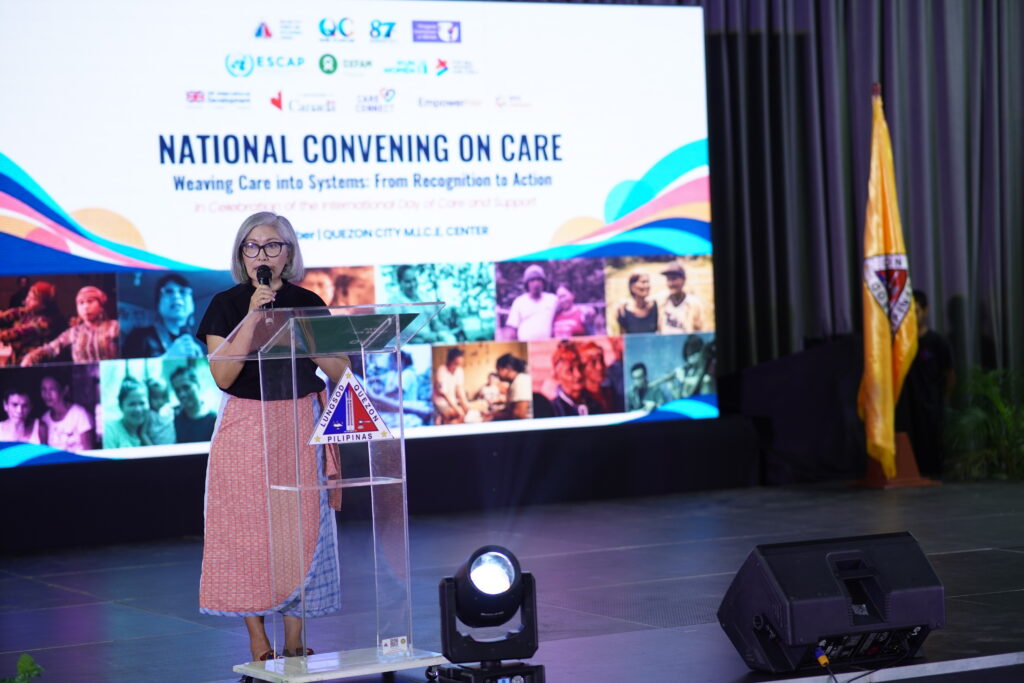
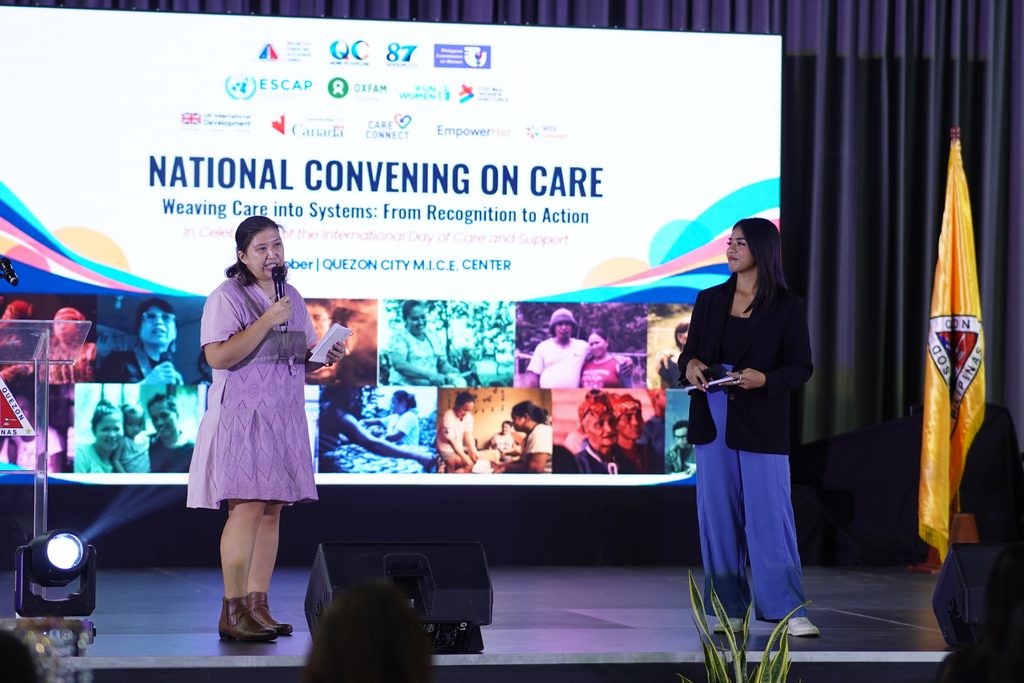
QUEZON CITY, Philippines – Civil society organizations, development agencies, and local government representatives are calling on the national government to invest in women’s unpaid care work, describing it as a foundation of households and the economy. The call was made at the National Care Convening held on October 27 in Quezon City, ahead of the International Day of Care and Support on October 29.
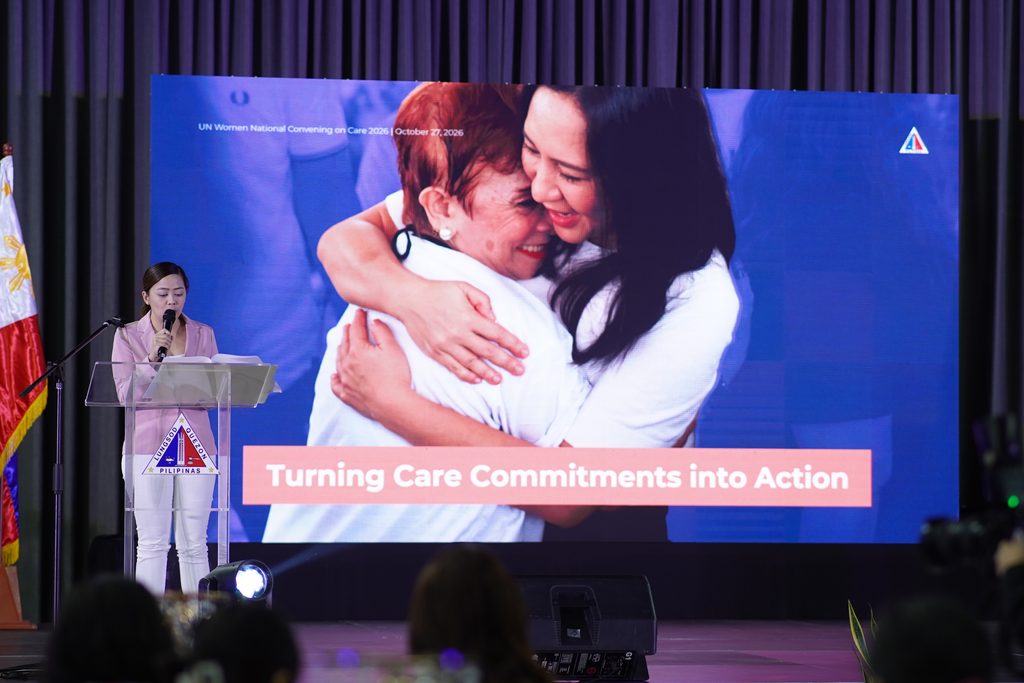
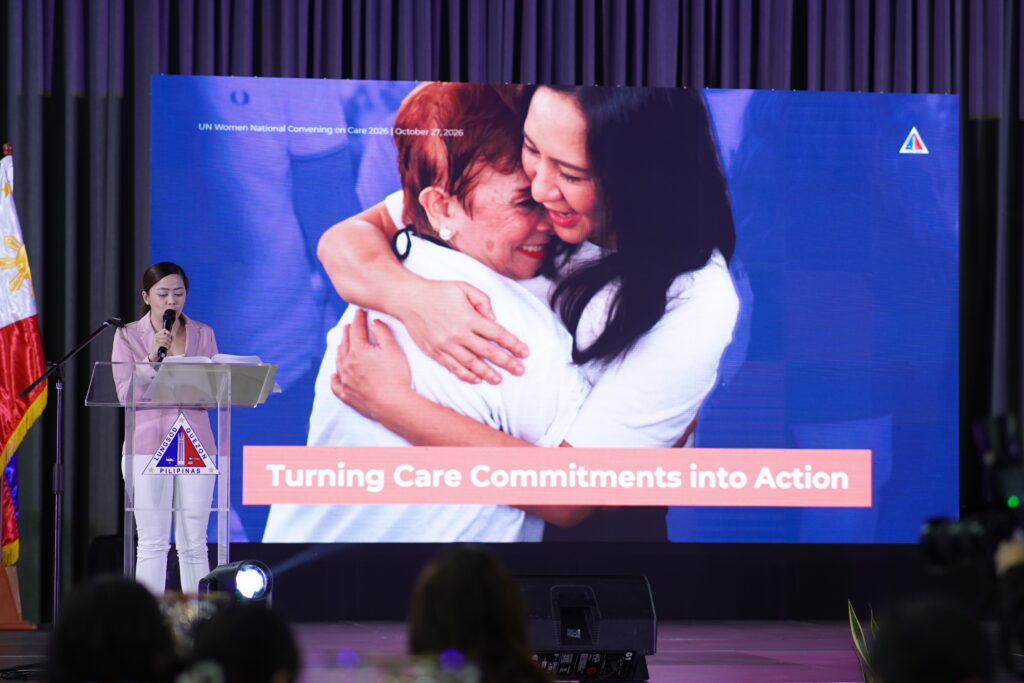
“Love and sacrifices alone cannot pay the bills, cure the burnout, or secure a future,” said Dr. Ellie Juan, Quezon City Councilor for District 6, speaking on behalf of Mayor Joy Belmonte. “We must honor it where it matters most, by investing in real resources, establishing fair protections, and giving care work the economic and social value it has rightfully earned.”
Care work, including child-rearing, caring for older persons and the sick, preparing meals, and fetching water, sustains daily life and enables economies to function. Yet when affordable services and support systems are lacking, women often shoulder these responsibilities without pay, limiting their time for livelihoods, education, rest, and participation in public life.
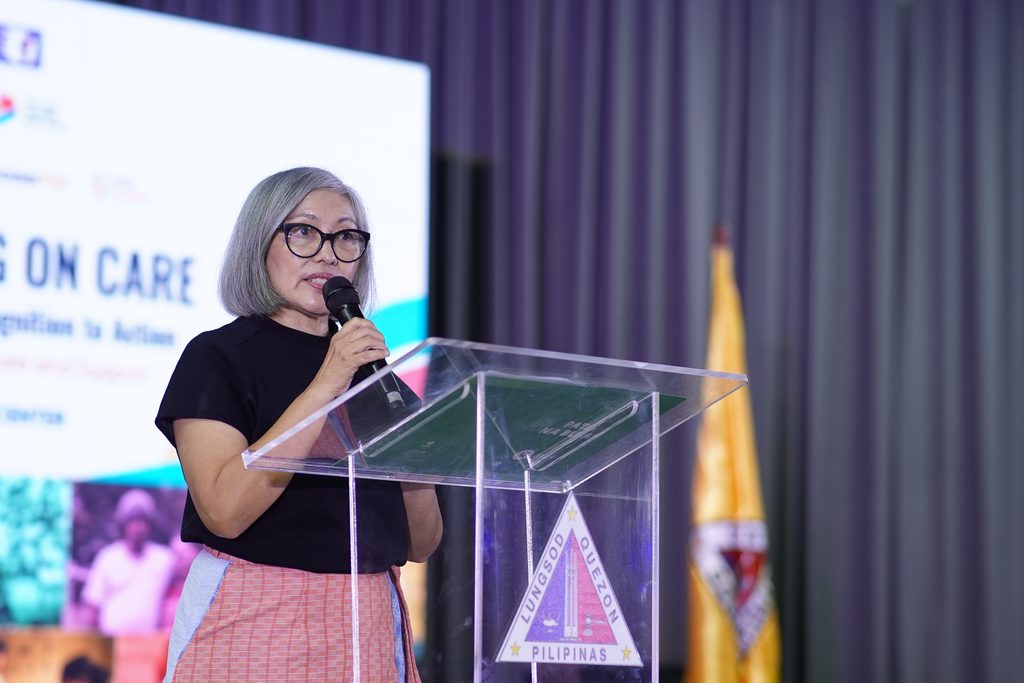
“Care is at the heart of a just and equal future: it makes all other work and opportunities possible, and when valued and shared fairly, it creates a society where everyone can thrive,” said Lot Felizco, Executive Director of Oxfam Pilipinas.
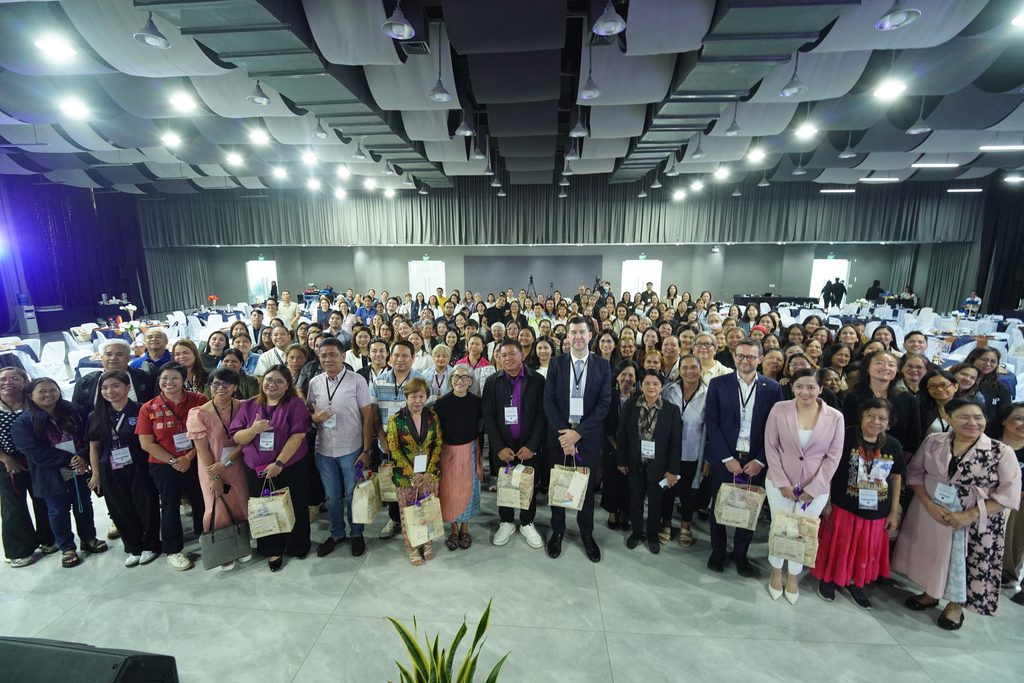
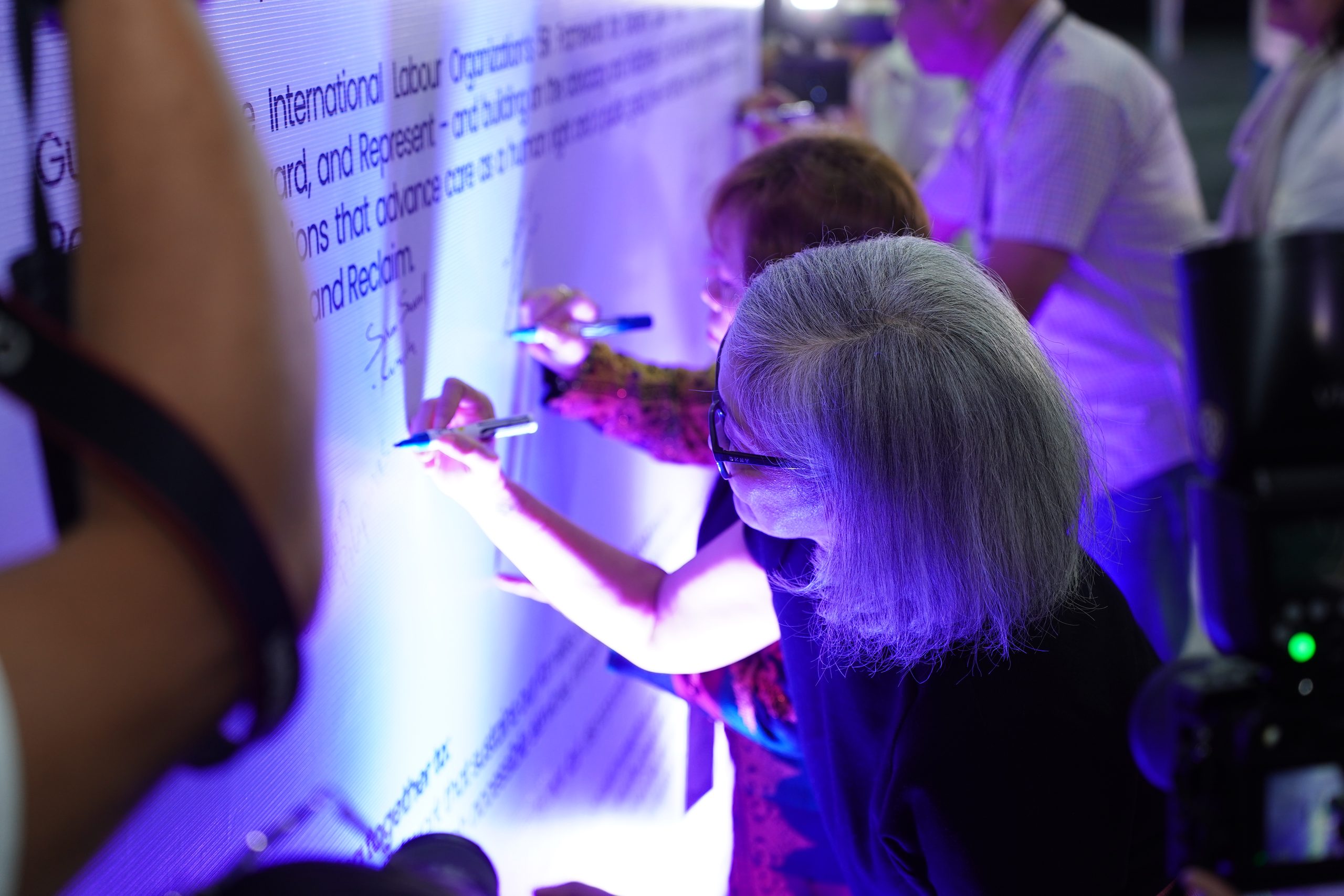
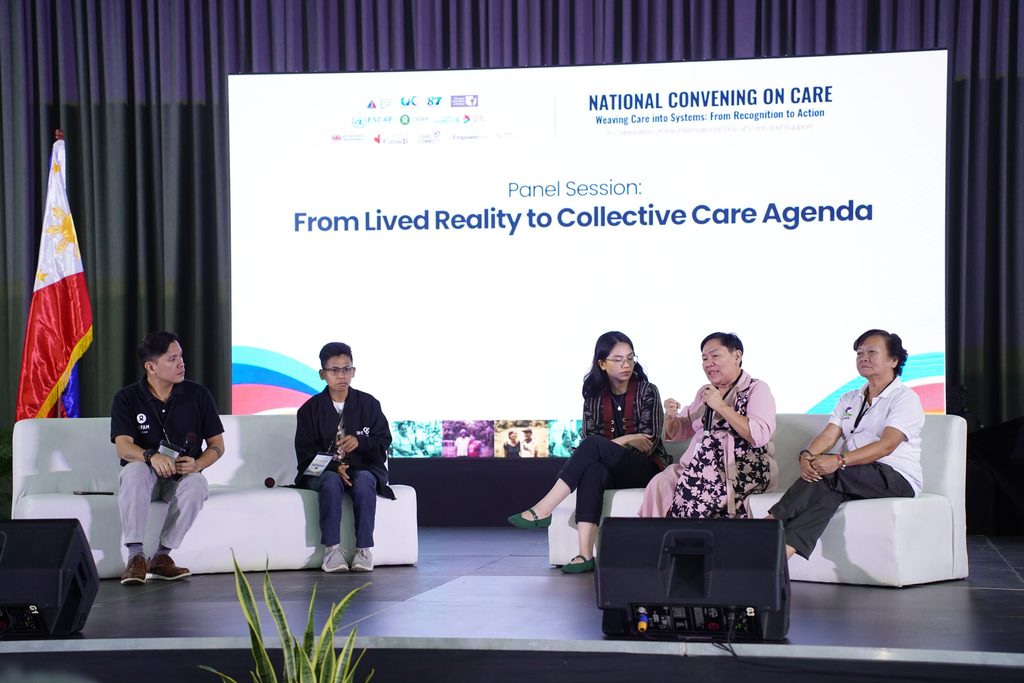
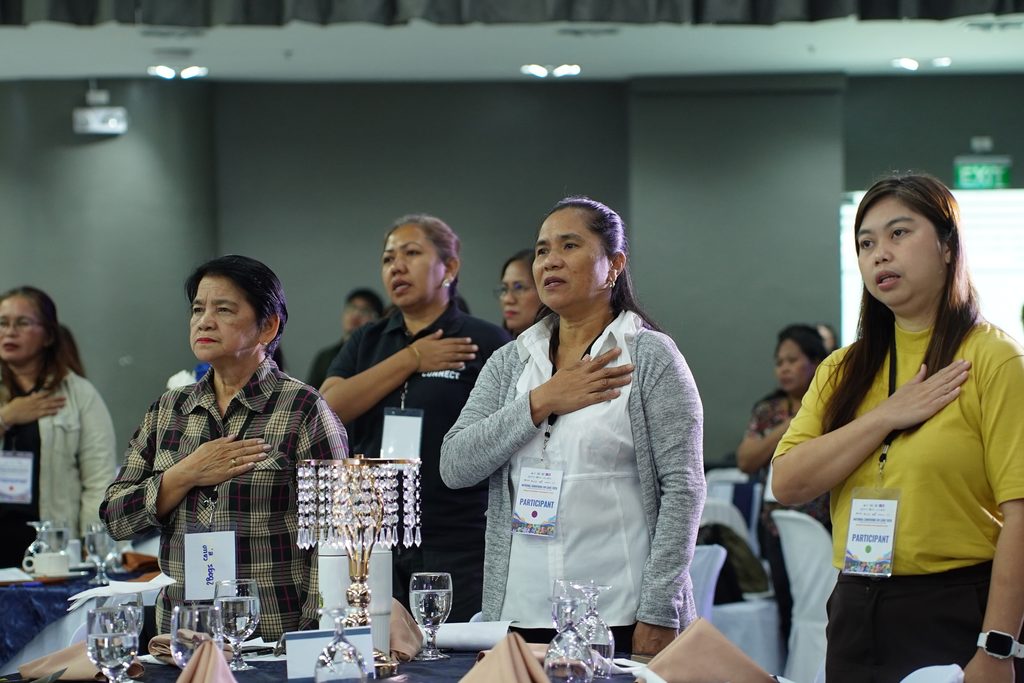
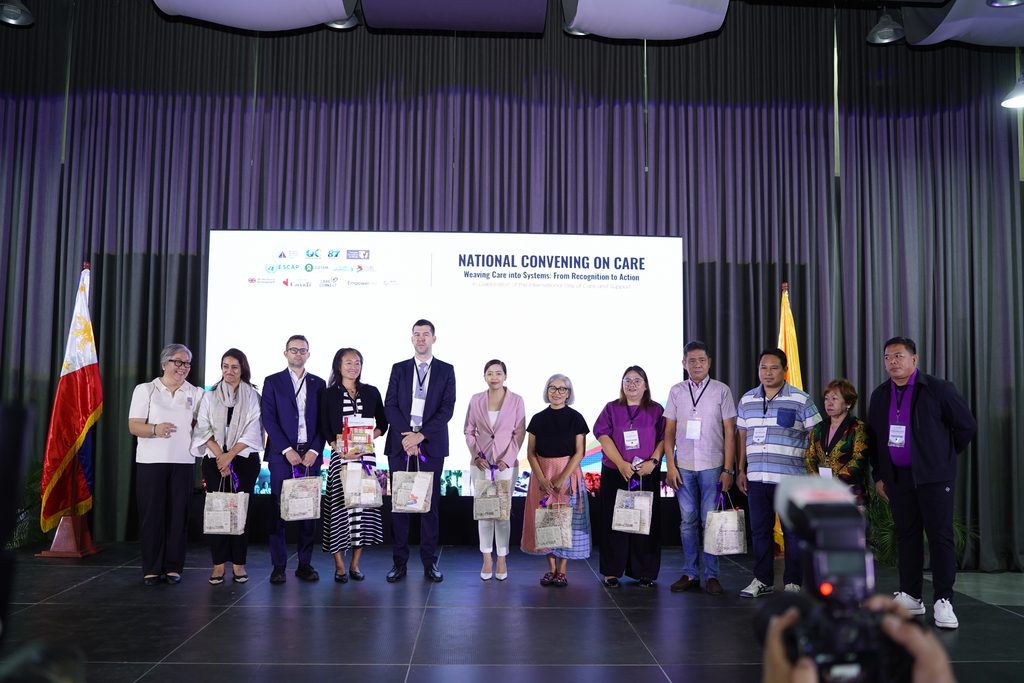
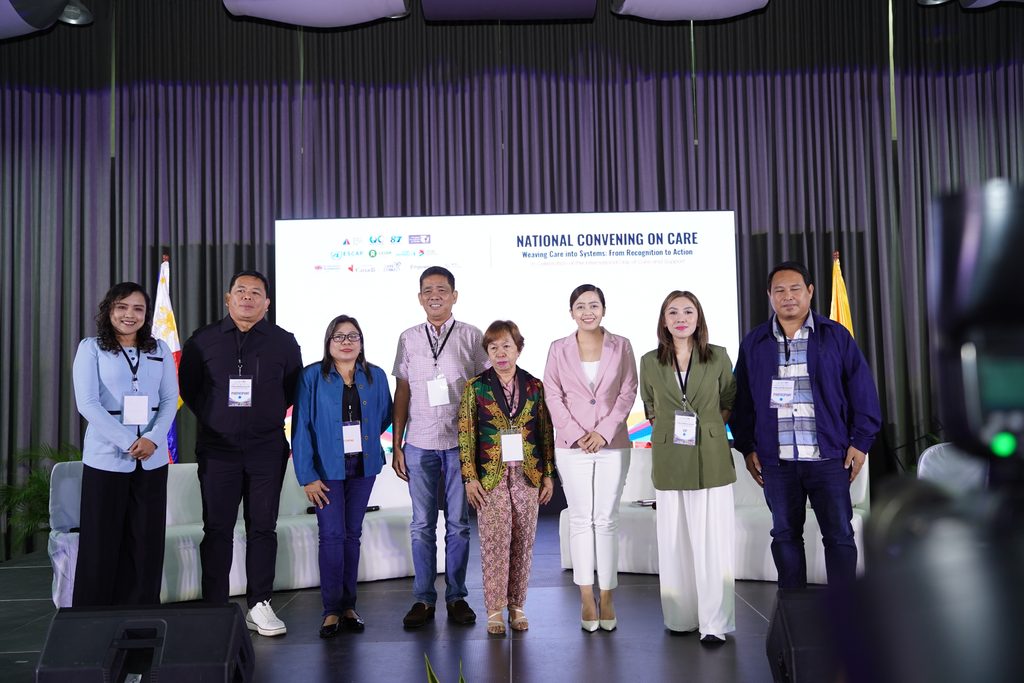
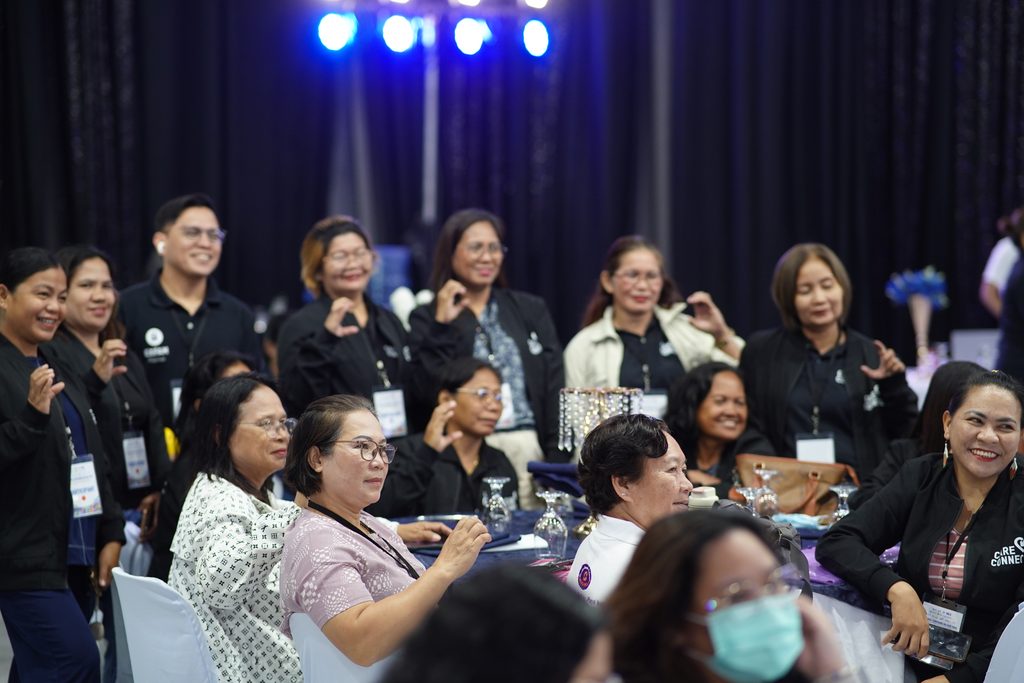
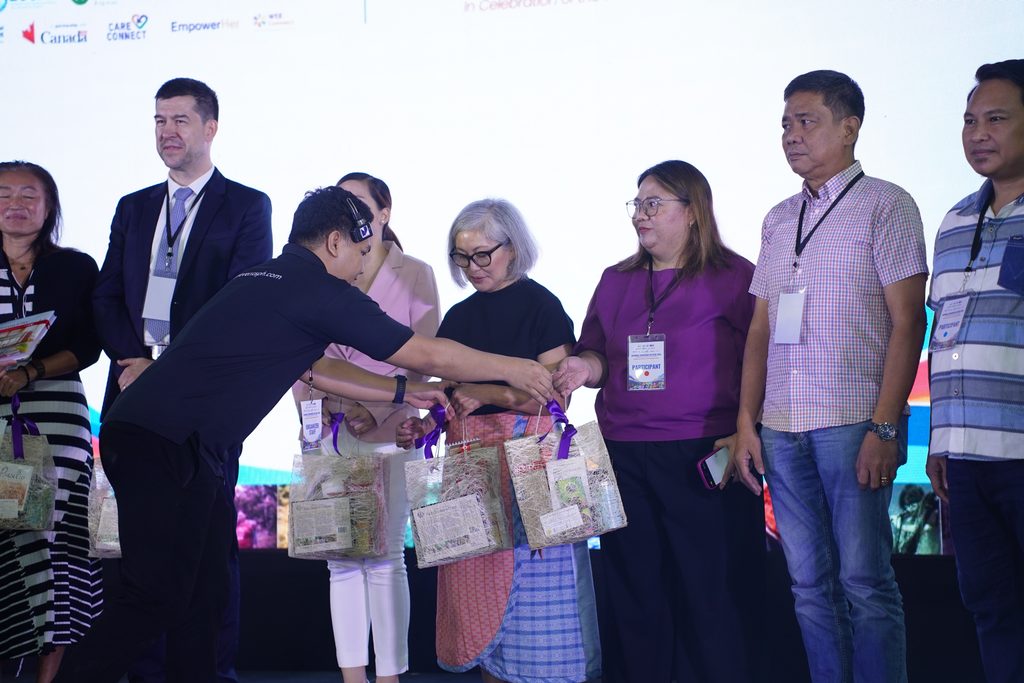
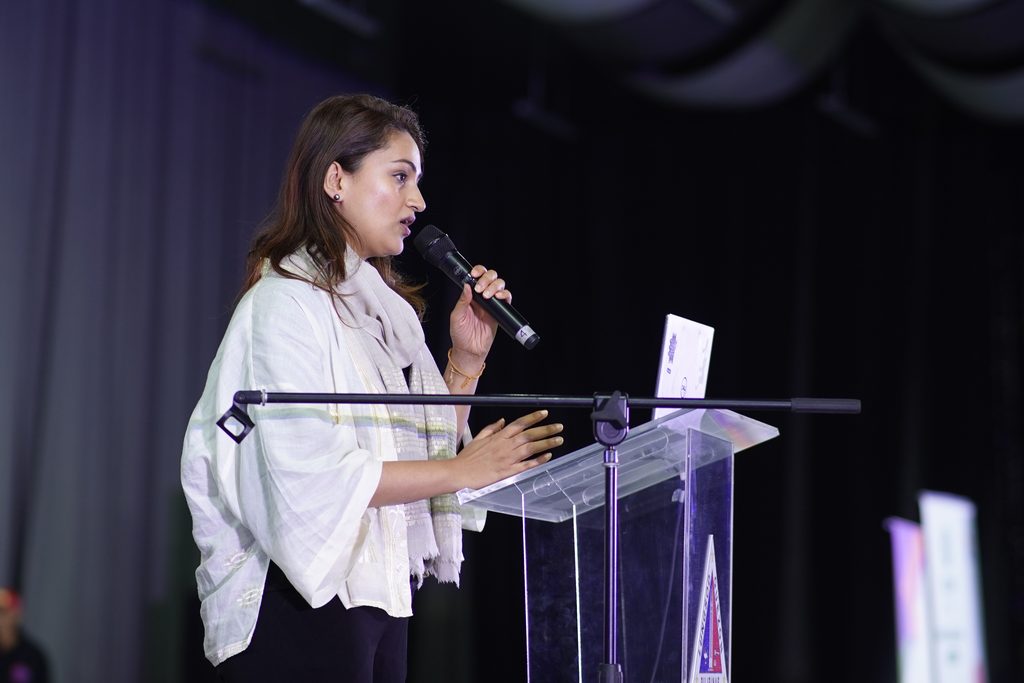
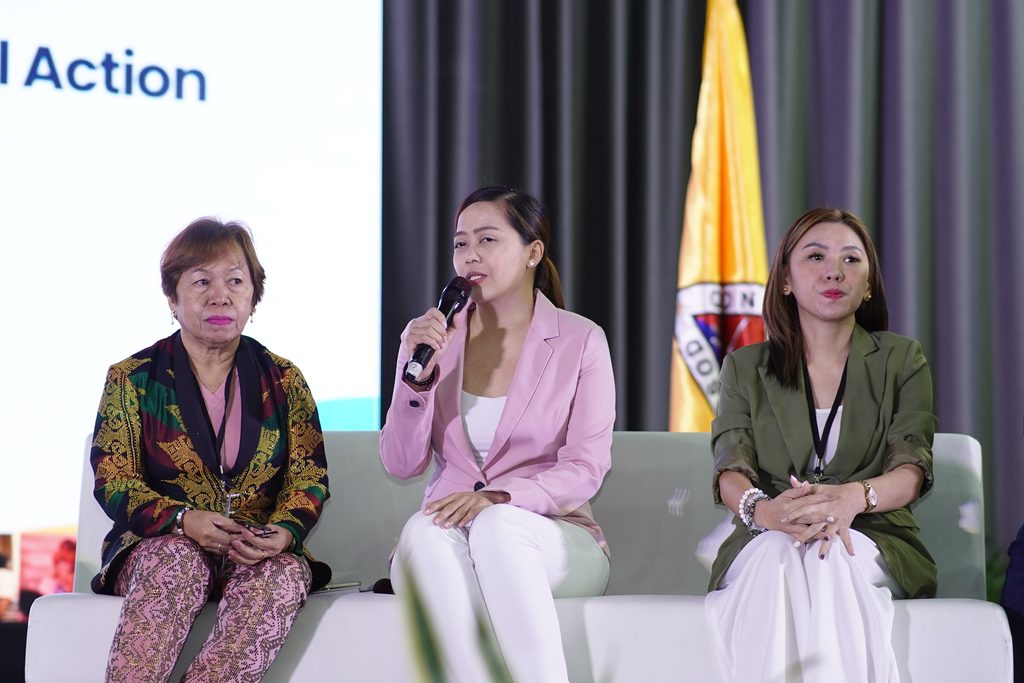
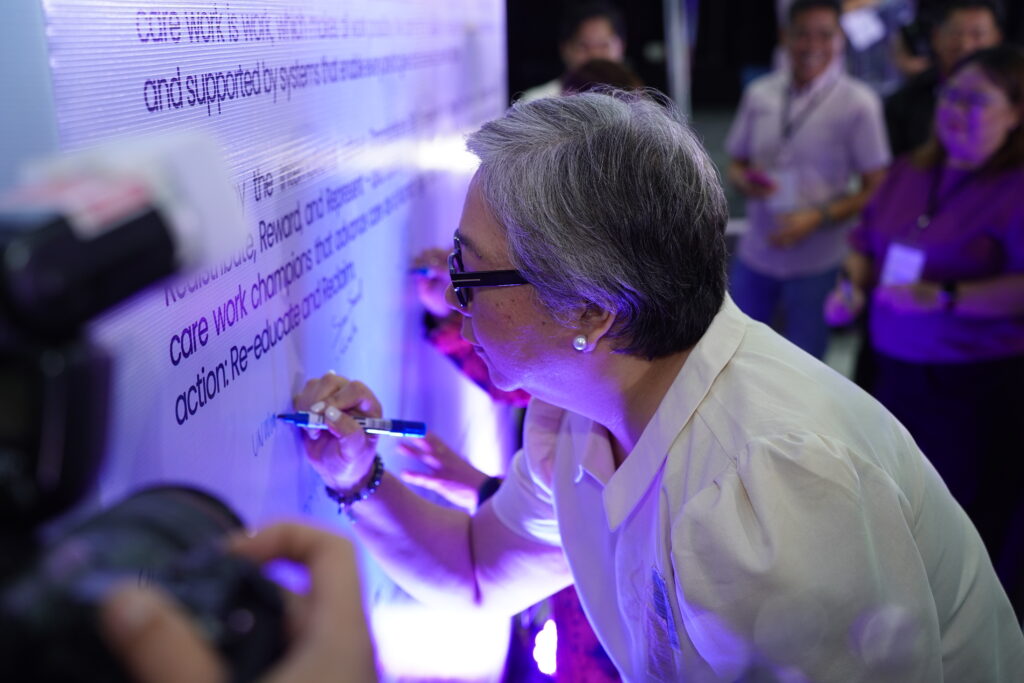
The call was reinforced during the National Convening on Care held in Quezon City, which brought together care workers, women’s organizations, local governments, and development agencies from across the country. Participants shared local initiatives, discussed ways to strengthen care systems, and signed a manifesto supporting the care agenda.
RURAL WOMEN CARRYING A DOUBLE BURDEN
For rural women, unpaid care work comes on top of farming, fishing, and other livelihood activities, according to Luz Bador, president of Pambansang Koalisyon ng Kababaihan sa Kanayunan (PKKK).
She described women’s workload as “24 oras, 24/7, walang pahinga, walang leave.” Beyond producing food and earning income, women are expected to keep their households running, often without recognition or support.
Bador urged local governments to work with communities in developing care systems that respond to women’s actual needs. Through community organizing, care advocates help surface concerns such as access to water, support for domestic work, and services that can reduce unpaid care burdens and expand women’s participation in economic and public life.
COMMUNITY-LED SOLUTIONS
In Taytay, Rizal, consultations with women’s organizations and community care advocates informed a municipal care ordinance designed to strengthen support for unpaid caregivers and integrate care into local development planning.
Joanne Marie P. Calderon, Taytay councilor, credited the participation of local women’s groups with helping shape the ordinance. She noted that women are often unable to join consultations because of the very care responsibilities that policies seek to address.
“Gusto namin kumuha ng input nila pero they are not present dahil sa care work,” Calderon said.
The initiative also promotes the use of Oxfam Pilipinas’ Care Policy Scorecard, a tool that helps communities assess local care policies and strengthen accountability.
MAKING CARE A PUBLIC INVESTMENT
Oxfam Pilipinas is calling for a coordinated and adequately funded national care system that supports local initiatives through expanded social protection, decent work for care workers, and accessible care services.
Oxfam Pilipinas has partnered with the Philippine Commission on Women to co-develop the Philippine Care Economy Framework, which aims to guide public investment and clarify government responsibilities in recognizing and supporting care work.
“But a framework is only as strong as its implementation. We must ensure that care is reflected in national and local development plans, budgets, and sectoral priorities,” Felizco said.
Ma. Rosalyn “Lenlen” Mesina, UN Women Country Programme Coordinator, also emphasized the need for sustained investment in local care initiatives and practical actions that can be adapted and replicated in different communities.
“We should judge progress not by the number of policies adopted, but by whether those policies improve people’s lives,” Felizco said.//ends